Perimenopause and menopause change more than your hormones. They change the very structure of your skin. Here's what the science says, and what you can do about it.
We talk a lot about protecting our bones as we age. Women over 40 are reminded regularly to take calcium, do weight-bearing exercise, and get bone density screenings. That guidance exists because the science is clear: declining estrogen accelerates bone loss, and the consequences, including fractures, stooped posture, reduced mobility, are serious and preventable.
What we don't talk about nearly enough is that the exact same biological mechanism is happening in your skin.
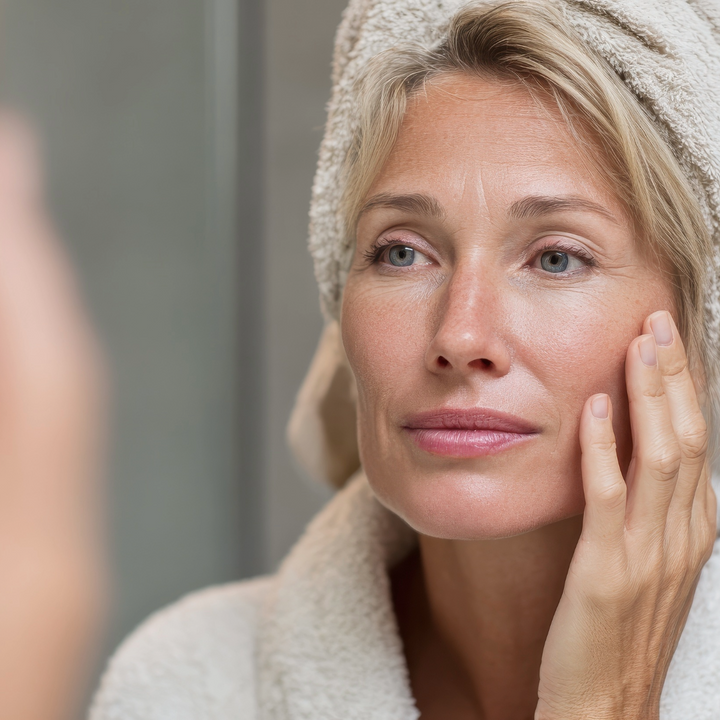
Skin isn't just your outermost layer. It's a living organ, your body's largest, and it depends on estrogen to maintain its structure, resilience, and barrier function. When estrogen declines during perimenopause and menopause, skin loses thickness, collagen, moisture, and strength. Not gradually, the way general aging works. Rapidly.
Understanding this, and doing something about it, is one of the most empowering things you can do for yourself right now.
The Collagen Connection: Your Skin and Your Bones Are More Alike Than You Think
You may have heard that women can lose up to 30% of bone density in the first years after menopause. Here's what's less widely known: research published in peer-reviewed journals has found that women lose up to 30% of their dermal collagen in the same five-year window, and that collagen continues to decline at approximately 2% per year thereafter (Brincat et al.; Journal of the American Academy of Dermatology, 2003).
The parallel isn't coincidental. Both bone and skin depend on estrogen to regulate the production of structural proteins. In bone, that's calcium and phosphate. In skin, it's collagen and elastin, which are the proteins responsible for firmness, thickness, and elasticity.
Critically, multiple clinical studies have confirmed that this skin loss correlates more closely with menopausal age (how long estrogen has been declining) than with chronological age. In other words, this isn't simply "getting older." It's a specific, hormonally driven process that responds to targeted intervention.
What's Actually Happening to Your Skin
If your skin has felt dryer, thinner and less resilient in your 50s or 60s, you're experiencing the downstream effects of estrogen deficiency at the cellular level. According to a 2025 narrative review published in the Journal of Cosmetic Dermatology (Viscomi et al.), estrogen deficiency contributes to:
- Reduced production of Type I and Type III collagen, weakening structural integrity
- Loss of elastin and glycosaminoglycans, leading to decreased moisture retention
- Thinning of the skin barrier, impairing its ability to protect and heal
- Increased susceptibility to oxidative damage
These aren't cosmetic inconveniences. They're structural changes: the skin equivalent of the bone density loss we've spent decades learning to address proactively.
The good news? Just as bone loss can be slowed and partially reversed with the right interventions, so can skin weakness.
Strengthening Your Skin: What the Research Supports
The analogy between bone health and skin health extends to solutions, too. In bone health, we focus on rebuilding structural integrity by loading the bones and delivering the nutrients they need to maintain density. In skin health, the same principle applies: target the barrier, restore what's been depleted, and give the skin what it needs to gain strength.
Clinical research points to specific ingredient categories that support menopausal skin at the structural level:
Ceramides, phospholipids, and phytosterols — These barrier-building lipids are the scaffolding of strong, healthy skin. Clinical studies have shown that formulas containing phytoestrogens alongside these barrier actives improve skin dryness, thickness, hyaluronic acid levels, and collagen production over 12–24 weeks, without adverse effects (Dermatology and Therapy, Springer, 2020).
Peptides — Signaling peptides stimulate fibroblasts to produce new collagen, supporting skin from within.
Niacinamide — Strengthens the epidermal barrier, reduces water loss, and helps even skin tone — concerns that intensify during menopause.
Hyaluronic acid — Estrogen deficiency depletes the skin's natural hyaluronic acid content. Topical replenishment supports deep hydration and plumpness.
What matters most is not any single ingredient in isolation. Rather, it's formulations built around barrier-first science, designed specifically for skin in this hormonal phase, and free from ingredients like fragrances, parabens, and hormone-disrupting compounds that can undermine the very work you're trying to do.
You Wouldn't Skip Your Bone Health Routine. Don't Skip This One.
No one questions the logic of proactive bone care. We've collectively accepted that maintaining skeletal strength requires intention, the right tools, and consistency. Equally important is starting before damage is severe, not after.
Your skin deserves the same mindset.
The women who will feel strongest in their skin five years from now are the ones who start strengthening it today, not chasing youth, but investing in resilience and strength. Radiance isn't something menopause takes from you permanently. It's something you can rebuild, with science backed skincare that was made for exactly this moment.
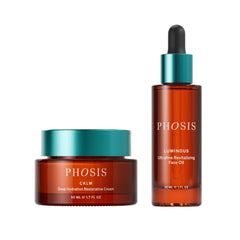
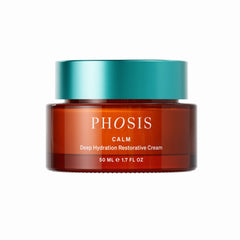
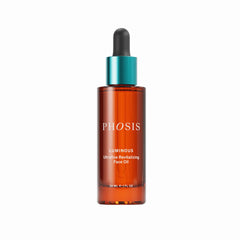
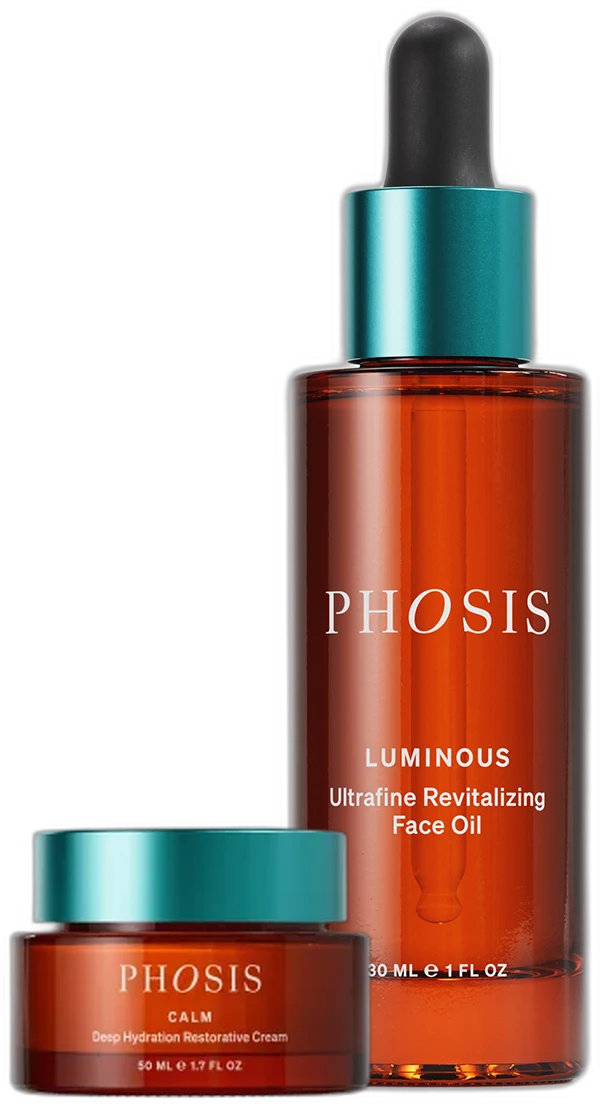
At Phosis, every product was formulated with this in mind: clinically proven, hormone-safe, fragrance-free skincare that respects your skin as a living organ that needs strength and nourishment to thrive.
Clinical citations used:
- The 30% collagen loss in the first five years post-menopause, and the 2% annual decline thereafter, drawn from Brincat et al. and corroborated across multiple peer-reviewed sources including the Journal of the American Academy of Dermatology. PubMed CentralScienceDirect
- The 2025 Viscomi et al. narrative review in the Journal of Cosmetic Dermatology on the structural effects of estrogen deficiency on skin. PubMed Central
- The Springer Dermatology and Therapy review on phytoestrogen and barrier-active clinical studies showing 12–24 week improvements in skin dryness, thickness, hyaluronic acid, and collagen. Springer
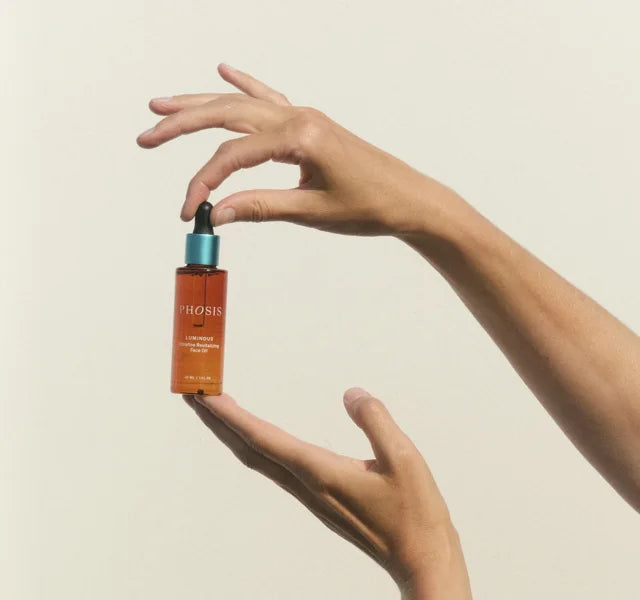
Ready to start? Explore our award winning face cream and barrier-strengthening face oil formulas at phosis.com.