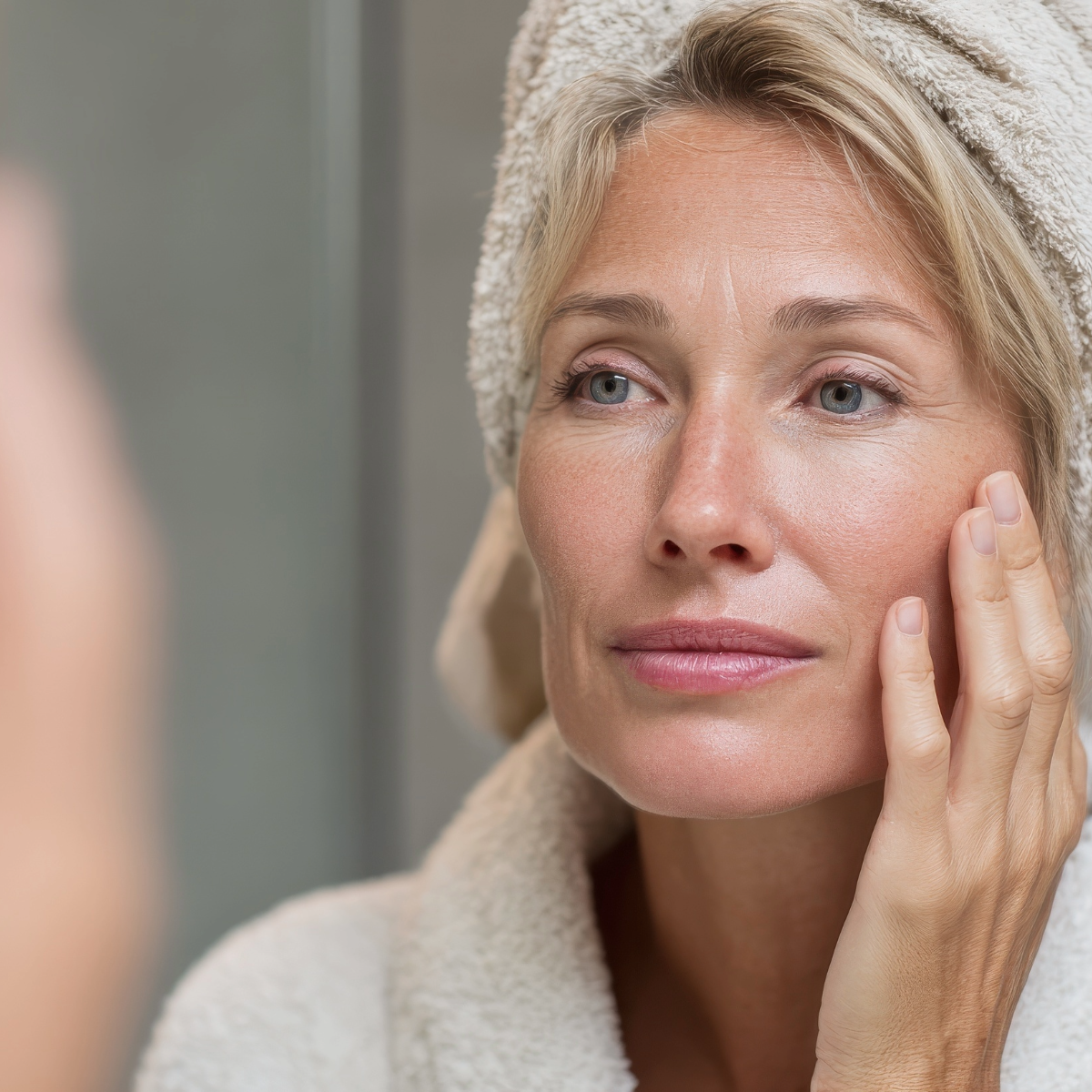
Does Dry Skin Cause Wrinkles?
Have you ever caught yourself in the mirror after a long day and thought, "Is this dry skin making me look older?"
You're asking exactly the right question, and you deserve a real answer, not a vague beauty-industry answer that leaves you feeling unsure about what to do.
Here's the truth: dry skin does not directly cause wrinkles. But the relationship between the two is more nuanced than a simple yes or no. Understanding it can genuinely change how you care for your skin, especially during perimenopause and menopause, when both dryness and fine lines tend to accelerate at the same time.
What Actually Causes Wrinkles?
Wrinkles form when collagen and elastin, the proteins that keep skin firm, plump, and resilient, begin to break down. This happens through two overlapping processes:
Intrinsic aging is the biological clock. Starting in your mid-30s, collagen production declines at roughly 1% per year. Skin becomes thinner, less elastic, and slower to repair itself. This process is largely genetic and inevitable.
Extrinsic aging is driven by outside forces, primarily sun exposure (UV rays are the single biggest driver of premature wrinkling), along with pollution, smoking, and environmental stress. These external aggressors accelerate the breakdown of collagen and elastin far beyond what your biological clock alone would cause. Research published in PubMed confirms that both chronological aging and photoaging are characterized by a slowing of the lipid-forming process that support's the skin's barrier function, leading to an increase in dryness, fine lines and wrinkles, and reduced resilience.
There is a third category worth naming, because it is the one women in midlife notice most: dynamic lines. These are the creases formed by repeated facial movement. Smiling, squinting and frowning fold the same piece of skin thousands of times a year. While collagen is plentiful, the fold springs back. As collagen declines, the fold begins to set. This is why the first lines to become permanent are almost always the ones you make with your face.
So Where Does Dry Skin Come In?
Dry skin doesn't create wrinkles, but it absolutely makes them more visible, and it creates conditions that allow them to deepen faster.
Here's what's happening beneath the surface:
Dryness reduces skin's flexibility. When skin lacks adequate moisture and natural oils, it loses its ability to stretch and bounce back. Expression lines from smiling, squinting, and frowning, which would normally disappear, can settle more easily into permanent creases.
A compromised skin barrier invites inflammation. Chronically dry skin signals a weakened barrier. When the barrier is impaired, irritants and environmental stressors pass through more readily, triggering low-grade inflammation that breaks down collagen over time. This process, sometimes called inflammaging, is one of the more under-appreciated drivers of premature skin aging. A clinical review published in PMC found that reduced ceramide levels post-menopause directly contribute to epidermal barrier dysfunction, thereby increasing the skin's vulnerability to exactly this kind of inflammatory damage.
Dehydrated cells can't repair efficiently. Without sufficient hydration, skin cell turnover slows, damaged cells linger on the surface longer, and the skin's ability to repair itself after daily environmental stress is diminished.
Loss of hyaluronic acid amplifies everything. Deep in the dermis, hyaluronic acid acts as a natural cushion for collagen fibers, keeping skin voluminous and resilient. As estrogen levels decline during menopause, the skin produces significantly less hyaluronic acid, which is a key reason menopausal skin often feels and looks drier and more lined simultaneously.
And there is an optical effect that gets dismissed too easily. Well-hydrated skin reflects light evenly, so fine lines cast no shadow. Dry, flaking skin scatters light unevenly and every crease picks up a shadow edge. The line is the same depth in both cases. It simply becomes visible. This is why a good moisturiser can appear to smooth skin within an hour, long before anything structural has changed.
Dry Skin or Dehydrated Skin? They Are Not the Same Thing
This distinction changes what you should buy, and almost nobody explains it.
Dry skin lacks oil. It is a skin type, usually lifelong, driven by how much lipid your skin produces. It tends to feel rough, tight and flaky all over, including on the body. Menopause pushes many women into this category for the first time as oil production falls.
Dehydrated skin lacks water. It is a temporary condition and it can happen to any skin type, including oily. It shows up as skin that feels tight but still looks shiny in places, with fine crosshatched lines across the cheeks that appear and disappear depending on the day.
The fix is different for each. Dry skin needs lipids: ceramides, phospholipids, phytosterols and plant oils that rebuild what the skin is no longer producing. Dehydrated skin needs humectants that draw water in, then something occlusive to keep it there. Most menopausal skin is both at once, which is why single-product solutions so often disappoint.
A rough self-test: press a fingertip gently into your cheek and release. If fine lines appear briefly in the pressed area and then fade, that suggests dehydration. If your skin feels rough and tight everywhere and flakes when you apply product, that is dryness.
Fine Lines You Can Fix, and Lines You Cannot
Not every line responds to hydration, and knowing which is which saves you a lot of money.
|
What you're seeing |
Responds to hydration? |
What it actually needs |
|---|---|---|
|
Fine crosshatch lines on cheeks that come and go |
Yes, quickly |
Humectants plus a barrier cream |
|
Crepey texture on the neck and chest |
Partly |
Barrier lipids, sun protection, patience |
|
Expression lines visible only when you move |
Not really |
Peptides, sun protection, time |
|
Static lines visible at rest |
No |
Retinoids, in-clinic treatment, or acceptance |
|
Deep folds from facial structure |
No |
Nothing topical will address these |
The honest version: hydration changes the top two rows within weeks. It does nothing for the bottom two. Anyone telling you a moisturizer will erase a set nasolabial fold is not being straight with you.
Why Menopause Changes the Equation
For women navigating perimenopause and menopause, the dry-skin-and-wrinkles conversation takes on a different dimension. The hormonal shifts of this time, particularly the decline in estrogen, directly impact the skin's moisture retention, lipid production, barrier function, and collagen levels all at once. This isn't coincidence. It's biology.
The result is that dry skin and accelerated aging tend to arrive together and reinforce each other. Supporting your skin's barrier becomes less about vanity and more about protecting the structural integrity of your skin from the inside out.
What makes this period feel so abrupt is the timing. Research indicates women lose up to 30% of skin collagen in the first five years after menopause, roughly double the ordinary pace of age-related decline. At the same time, oil production drops and ceramide levels fall. Three things that used to change slowly and separately start changing quickly and together, which is why so many women describe their skin as having shifted "overnight" somewhere around 50. It did not. It shifted over about eighteen months, which feels the same.
Does Moisturiser Actually Prevent Wrinkles?
Here is where I want to be more careful than most brands are.
A moisturiser will not build collagen. It does not reach the dermis, and no amount of marketing language changes that. What a well-built moisturiser does is three things, all of which matter:
-
It makes existing lines less visible immediately, by plumping the outer layer and evening out how light reflects off the surface.
-
It restores barrier function over weeks, which reduces the chronic low-grade inflammation that degrades collagen over years.
-
It lets your skin tolerate the things that do build collagen. Retinoids, peptides and acids all work better on an intact barrier and are often abandoned because of irritation on a compromised one.
Point three is the one worth paying attention to. Barrier repair is not an alternative to anti-aging treatment. It is what makes anti-aging treatment possible on skin that has become reactive.
What Actually Reduces Wrinkles, Ranked by Evidence
If you only do a few things, do these, in this order.
-
Daily broad-spectrum sun protection. The largest effect by a wide margin, and the only one that prevents rather than repairs.
-
Not smoking. The second largest lifestyle factor in premature wrinkling.
-
A retinoid, if your skin tolerates one. The deepest clinical evidence base of any topical for wrinkle reduction. Many menopausal women need a lower strength and a slower frequency than they used in their forties.
-
Barrier repair with ceramides, phospholipids and phytosterols. Addresses dryness and the inflammatory pathway at once.
-
Peptides and antioxidants. Gentler, slower, and usable daily on skin that cannot take retinoids. I've written separately about whether peptides actually work.
-
Diet and glucose control. Slow but real, through the glycation pathway.
Notice that hydration is not on this list as a wrinkle treatment. It belongs at number four, as barrier repair, which is a different claim and an honest one.
What You Can Do
The goal isn't to turn back time. It's to give your skin the support it needs to stay resilient, hydrated, and healthy through every phase.
Restore the barrier first. Look for formulas built around ceramides, phospholipids, and phytosterols, which are the lipids your skin naturally relies on to stay intact. A compromised barrier underlies both dryness and accelerated aging, so strengthening it addresses both.
Layer humectants and occlusives. Ingredients like hyaluronic acid and glycerin draw moisture into the skin; richer emollients help seal it in. Using both together is more effective than either alone.
Sun protection is non-negotiable. Since UV exposure is the primary driver of collagen loss, daily broad-spectrum SPF (rain or shine, indoors or out) is the single most impactful thing you can do to slow visible aging.
Choose fragrance-free formulas. Synthetic fragrances are among the most common triggers of barrier disruption and skin inflammation; the exact combination that allows wrinkles to deepen faster.
Apply to damp skin. Products go on within a minute or two of cleansing, while skin still holds surface water. Humectants need water available to draw on, and applying to bone-dry skin can pull moisture from deeper layers instead.
Extend everything downwards. The neck and chest have thinner skin, fewer oil glands and less collagen than the face, and they show hormonal change earlier. Whatever you use on your face should reach your jawline, your neck and your décolletage.
What Makes Dryness and Lines Worse
Half of good skincare in midlife is stopping things.
-
Hot water. Long hot showers strip the lipids your skin is already short of. Lukewarm, and shorter.
-
Foaming cleansers. If your face feels squeaky after washing, the cleanser removed more than the day's dirt.
-
Over-exfoliating. Scrubs and daily acids on thinning skin create the exact barrier damage that lets lines deepen faster.
-
Stacking actives. Retinol, vitamin C and an acid in the same routine is a barrier problem waiting to happen on skin in hormonal change.
-
Skipping SPF in winter and indoors. UVA passes through window glass and does not care about the season.
-
Relying on water intake alone. Drinking more water is good for you and does very little for skin that is losing lipids. Hydration from the inside cannot replace a barrier that has stopped holding it in.
-
Changing products every three weeks. Barrier repair takes eight weeks or more to show. Most women quit at four.
When to See a Dermatologist
Dryness that responds to better skincare is ordinary. Book an appointment if you have persistent itching without a visible rash, patches that crack, weep or bleed, dryness that arrives suddenly alongside fatigue or hair thinning, or skin that has become so reactive that nothing is tolerated. Thyroid conditions, eczema and other treatable causes look a lot like menopausal dryness from the outside, and they need a different answer than a better cream.
The Bottom Line
Dry skin won't give you wrinkles out of nowhere. But a compromised, dehydrated skin barrier makes the wrinkles you do develop appear sooner, look deeper, and settle faster. For women in midlife, when hormonal changes are already stressing the barrier, consistent and thoughtful hydration isn't just comfort care, it's crucial for maintaining skin vitality and health.
Strong skin is resilient skin. And resilient skin ages on its own terms.
Ready to Restore What Menopause Takes Away?
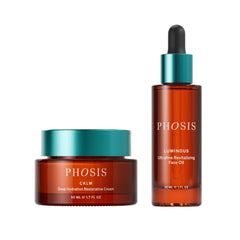
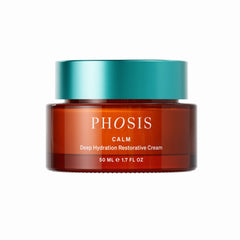
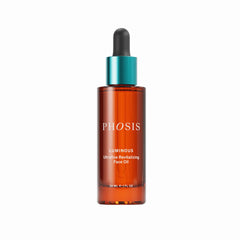
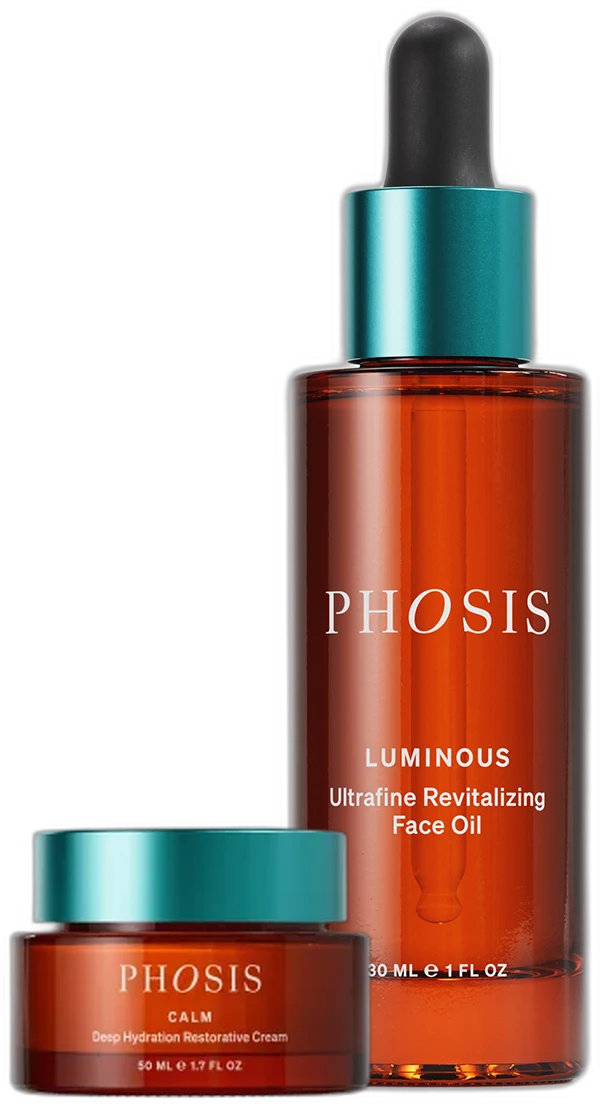
At Phosis, we formulated our skincare line specifically for the skin changes that come with perimenopause and menopause because your skin deserves better products created specifically for your skin concerns. Our clinically proven, fragrance-free face cream and face oil are built around barrier-restoring ceramides, phospholipids, and phytosterols to replenish lost hydration and strengthen skin from within.
Questions women like you asked
Does dry skin cause wrinkles?
No. Wrinkles form when collagen and elastin break down, mainly through sun exposure and intrinsic aging. Dry skin makes existing lines far more visible and creates barrier conditions that let them deepen faster, but dryness itself does not create a wrinkle where none was forming.
Will moisturiser get rid of my fine lines?
It will make the ones caused by dehydration much less visible, sometimes within a day. It will not remove lines that are set into the skin structurally. A moisturiser improves how light reflects off your skin and restores barrier function; it does not rebuild collagen in the dermis.
What is the difference between dry skin and dehydrated skin?
Dry skin lacks oil and is a skin type. Dehydrated skin lacks water and is a temporary condition that can affect any skin type, including oily. Dry skin needs lipids such as ceramides; dehydrated skin needs humectants sealed in with an emollient. In menopause, most women have both.
Why did my skin get so dry during menopause?
Falling estrogen reduces oil production, depletes the ceramides that hold the barrier together, and lowers the skin's own hyaluronic acid content. All three happen within a relatively short window, which is why the change feels sudden.
Can dry skin be reversed?
The dryness can be managed extremely well, but the underlying cause, lower oil and lipid production, does not reverse on its own after menopause. Think of it as a condition you now supply from the outside rather than one you cure.
How long does it take to repair a dry skin barrier?
Comfort usually improves within a week. Measurable barrier recovery generally takes four to eight weeks of consistent use, and appearance changes such as smoothness and firmness build over eight to twelve. Judge a product at eight weeks, not at two.
Does drinking more water help dry skin?
Adequate hydration supports overall skin health, but drinking extra water does not fix dryness caused by lipid loss. If your barrier is not holding water in, more water going in simply leaves faster. Topical lipids do the work here.
Do face oils help with wrinkles?
Face oils are occlusive and emollient, so they reduce water loss and make skin look smoother and more radiant. That improves the appearance of fine lines. Their contribution to actual collagen is limited, though antioxidant-rich oils help reduce the environmental damage that degrades it.
Is it too late to start if I already have wrinkles?
No. Existing lines will not disappear, but the rate at which new ones form is highly modifiable at any age. Sun protection and barrier repair started at 58 still change how your skin looks at 65.
Should I use retinol if my skin is dry and menopausal?
Many women can, at a lower strength and less often than they used in their forties, and applied over a barrier cream rather than onto bare skin. If your barrier is currently compromised, repair it for several weeks first. Retinoids on a damaged barrier cause the irritation that makes women give up on them.
Why do my wrinkles look worse in the morning?
Sleep creases from pillow pressure plus overnight water loss make lines temporarily more visible, particularly on the side you sleep on. They usually settle within an hour or two. A richer night cream and, if you are motivated, sleeping on your back both reduce the effect.
Does air conditioning or central heating cause wrinkles?
Neither causes wrinkles, but both dramatically increase water loss from the skin, which makes lines more visible and stresses an already compromised barrier. A humidifier in winter is a reasonable investment for menopausal skin.
Will it sting if my skin reacts to everything?
It's formulated for reactive, compromised skin: no fragrance, no retinol, no acids. In HRIPT testing it was 100% non-irritating.
How quickly will I see a difference?
The first week is mostly relief as the stinging and tight dryness ease. The visible change builds over weeks two to eight.