You've heard that sugar isn't great for your health, but what about your skin? If you've noticed you skin looking duller, less firm, or more lined, there's a biological process worth understanding called glycation. It's not a buzzword or media hype, but one of the most well-researched mechanisms behind accelerated skin aging. And it's happening on the cellular level every time you consume something high in sugar.
Here's what the science says, and why it matters more during menopause than at any other stage of life.
The Short Answer
Sugar does not give you wrinkles the way the sun does. What it does is stiffen the collagen you already have, through a process called glycation, and slow your ability to replace what you lose. During menopause, when collagen is already declining and your skin is producing less of it, that second effect is the one that matters. Lowering your sugar intake will not undo existing damage. It will slow the rate at which new damage accumulates, which over five or ten years is a meaningful difference.
What Is Glycation?
Glycation is what happens when sugar molecules in your bloodstream bind to proteins, particularly collagen and elastin, the structural proteins that keep your skin firm, plump, and resilient. This binding produces compounds called "advanced glycation end products," or AGEs.
Once formed, AGEs are damaging in multiple ways:
-
They cause collagen fibers to cross-link and stiffen, making skin less flexible and more prone to wrinkling.
-
They interfere with the body's ability to repair and replace damaged collagen. And they trigger chronic low-grade inflammation which is a process increasingly linked to accelerated skin aging.
-
A review published in Clinical Dermatology by Dr. F. William Danby of Dartmouth Medical School confirms that glucose and fructose bind to the amino acids in the collagen and elastin to product AGEs, with the process further accelerated by UV exposure.
Research published in Skin Therapy Letter by dermatologists at Baylor College of Medicine describe this process as "sugar sag," a fitting term for the visible impact of glycation has on skin structure over time. The same review notes that collagen in the skin has a half-life of approximately 15 years, meaning it accumulates glycation damage slowly but significantly across a lifetime.
That 15-year figure is worth sitting with for a moment. The collagen in your face right now was largely built over the last decade and a half, and it will still be there for another decade. Every cross-link glycation adds to it is a change you live with for years, not weeks. This is also why glycation is so easy to ignore. Nothing happens on Tuesday because of what you ate on Monday.
What Glycated Skin Looks Like
Glycation does not announce itself. It shows up as a gradual change in how skin behaves rather than as a specific mark you can point to. The changes most associated with cross-linked collagen are:
-
A loss of snap. Skin that has been stiffened by cross-linking takes longer to return to place when you pinch and release it.
-
A sallow or slightly yellowed undertone. Some AGEs are pigmented compounds, which is part of why glycated collagen is often described as dulling skin rather than darkening it.
-
Lines that stay put. Expression lines that used to smooth out once your face relaxed start to hold their shape.
-
Crepiness in thin-skinned areas. The chest, the outer eye area and the backs of the hands usually show it first.
-
Slower recovery. Small injuries, scratches and blemishes take longer to resolve than they used to.
None of these are proof of glycation on their own, and all of them have other causes. Read them as a prompt to look at the whole picture, not as a diagnosis.
Why Menopause Makes It Worse
Glycation affects everyone. But for women navigating perimenopause and menopause, the damage hits harder and faster for two compounding reasons:
-
Collagen is already declining. Estrogen plays a direct role in stimulating collagen production. As estrogen levels drop during menopause, collagen synthesis slows dramatically. Research indicates that around 30% of skin collagen is lost within the first five years following menopause, a rate that is roughly double the normal pace of age-related decline. When glycation simultaneously degrades what collagen remains, the cumulative effect on skin structure is significant.
-
Oxidative stress is elevated. Lower estrogen levels during menopause can increase oxidative stress and glycation, accelerating the breakdown of collagen and elastin. AGEs themselves generate free radicals, which in turn accelerate further AGE formation, a damaging feedback loop that becomes harder to break as estrogen's protective effects diminish.
The result: the same high-sugar diet that caused gradual damage in your 30s and 40s can have a noticeably accelerated impact on skin structure in midlife.
There is a third factor that rarely gets mentioned. Insulin sensitivity often shifts during the menopause transition, which means the same meal can leave glucose circulating in your bloodstream for longer than it used to. More time in circulation means more opportunity for sugar to bind to protein. If you have noticed that your body handles carbohydrates differently in your fifties than it did in your thirties, you are not imagining it, and it has a direct bearing on your skin.
It's Not Just the Sugar You Eat
Here's something many people don't realize: dietary AGEs don't only come from sugar itself; they're also generated by how food is cooked.
Frying food can produce significantly higher levels of AGEs than water-based cooking methods like boiling and steaming. Foods like french fries, donuts, and bacon are among the highest AGE contributors, regardless of their sugar content.
This means an anti-glycation approach to eating isn't simply about cutting sugar. It's about the overall quality of your diet and how you cook your food.
The rough hierarchy looks like this:
|
Cooking method |
Relative AGE formation |
Examples |
|---|---|---|
|
Raw or lightly dressed |
Lowest |
Salads, fruit, crudités, ceviche |
|
Steaming, poaching, boiling, slow-cooking in liquid |
Low |
Poached eggs, steamed fish, soups, stews |
|
Baking and roasting at moderate heat |
Moderate |
Roast vegetables, baked chicken |
|
Grilling, searing, broiling |
High |
Charred steak, grilled halloumi |
|
Frying, deep-frying, high-heat browning |
Highest |
Fries, bacon, fried chicken, doughnuts |
The pattern is temperature and dryness. High, dry heat that browns the surface of food is what drives AGE formation. Water caps the temperature, which is why anything cooked in liquid produces far fewer.
A practical detail that costs nothing: marinating in something acidic before cooking, such as lemon juice or vinegar, reduces AGE formation during grilling. So does keeping the heat lower and the cooking time longer.
What About Fruit, Honey and "Natural" Sugar?
This comes up in every conversation I have about glycation, so let me be direct about it.
Your bloodstream does not distinguish between glucose from a doughnut and glucose from a date. Chemically, the glycation reaction is the same. What differs is everything else that arrives with the sugar. Whole fruit comes packaged with fiber, water and antioxidants, which slow absorption and supply some of the compounds that help interrupt oxidative damage. A doughnut arrives with refined flour and fried fat.
So no, you do not need to give up fruit. You are better served by watching the things that deliver sugar without anything else attached: fruit juice, sweetened coffee drinks, syrups, and the sugar hidden in sauces, dressings and packaged foods. Honey and maple syrup are not exempt from glycation just because they are less processed.
Fructose deserves a specific mention because it participates in glycation reactions more readily than glucose does. That matters most for drinks sweetened with high-fructose corn syrup, which deliver a large dose with no fiber.
What You Can Do
The good news: glycation is not inevitable, and meaningful dietary and skincare choices can help slow down the process.
-
Reduce dietary sugar and refined carbohydrates. The less glucose and fructose circulating in your bloodstream, the less fuel glycation has to work with. Research suggests that tight glycemic control over a four-month period can reduce glycated collagen formation by 25%.
-
Favor water-based cooking methods. Steaming, poaching, and boiling produce a fraction of the AGEs generated by grilling and frying. Small shifts in how you cook can meaningfully reduce your daily AGE load.
-
Prioritize antioxidants. Because glycation accelerates in the process of oxidative stress, antioxidant-rich foods such as berries, leafy greensand green tea help interrupt the cycle. Vitamins C and E, in particular, support collagen integrity and help neutralize free radicals.
-
Protect your skin barrier. A compromised barrier accelerate all forms of skin aging, including glycation-related damage. Look for fragrance-free formulas built around ceramides, phospholipids, and phytosterols which your skin needs to stay structurally resilient.
Three more that make a measurable difference:
-
Wear sunscreen every day. UV exposure accelerates AGE formation directly, which the Danby review notes explicitly. Sun protection is an anti-glycation measure, not just an anti-wrinkle one.
-
Move after you eat. A short walk after a meal helps muscle take up circulating glucose, which reduces the amount available to bind to protein. Ten or fifteen minutes is enough to matter, and it is the single easiest change on this list.
-
Protect your sleep. Poor sleep worsens glucose handling and raises the inflammatory load your skin is already carrying in midlife. If night sweats are disrupting your sleep, that is a skin issue as much as a comfort issue.
Anti-Glycation Ingredients Worth Knowing
Topical skincare cannot undo cross-linking that has already occurred. What certain ingredients can do is reduce the oxidative stress that drives further AGE formation, and support the collagen you still have.
-
Vitamin C supports collagen integrity and neutralises free radicals, which is why it appears in both the dietary and topical side of this conversation.
-
Niacinamide strengthens the barrier and reduces the inflammatory signalling that feeds the glycation cycle.
-
Antioxidant plant extracts, including green tea polyphenols and rosemary extract, interrupt oxidative damage at the skin surface.
-
Barrier lipids including ceramides, phospholipids and phytosterols keep the barrier intact so environmental stress adds less to the load.
-
Anti-glycation actives are a small and growing category. In our own formula, Resilara-7™ includes FEMINAGE™, an Engelhardtia chrysolepis extract selected specifically because it targets glycation damage alongside elastin rebuilding.
Be skeptical of any product claiming to "reverse glycation" or "de-glycate" skin. The research on breaking existing cross-links in human skin is early and mostly laboratory-based. Slowing the process is realistic. Undoing it is not a claim anyone can currently support.
What Glycation Is Not
A few corrections, because this topic attracts a lot of exaggeration.
It is not the main cause of wrinkles. Ultraviolet exposure is. Glycation is a compounding factor on top of sun damage and hormonal collagen decline, and the relationship between dryness, barrier health and visible lines is its own separate question.
It is not fixed by one sugar-free month. Collagen turns over slowly. Dietary changes show up in skin over months and years, not weeks. Anyone promising a visible difference in ten days is selling something.
It is not a reason to eliminate food groups. The evidence supports moderation and better cooking methods, not restriction. An eating pattern you cannot maintain for a decade will not help skin that changes over decades.
It is not only about weight. Glycation is about circulating glucose and dietary AGEs. A slim woman eating a lot of refined carbohydrates and fried food is not protected by her dress size.
The Bottom Line
Sugar doesn't just affect your energy levels or your weight, it affects the structural integrity of your skin at a molecular level. During menopause, when collagen is already declining and oxidative stress is elevated, the impact of a high-sugar diet on skin is compounded. Understanding glycation gives you a real, science-backed reason to make thoughtful dietary choices, not out of restriction, but out of caring for the skin you're in.
Strong skin is resilient skin. And resilient skin ages on its own terms.
Skincare Built for the Biology of Menopause
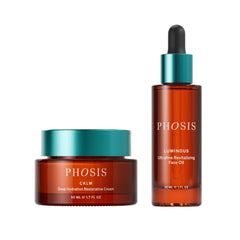
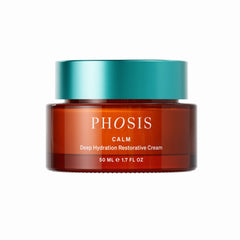
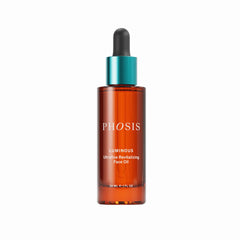
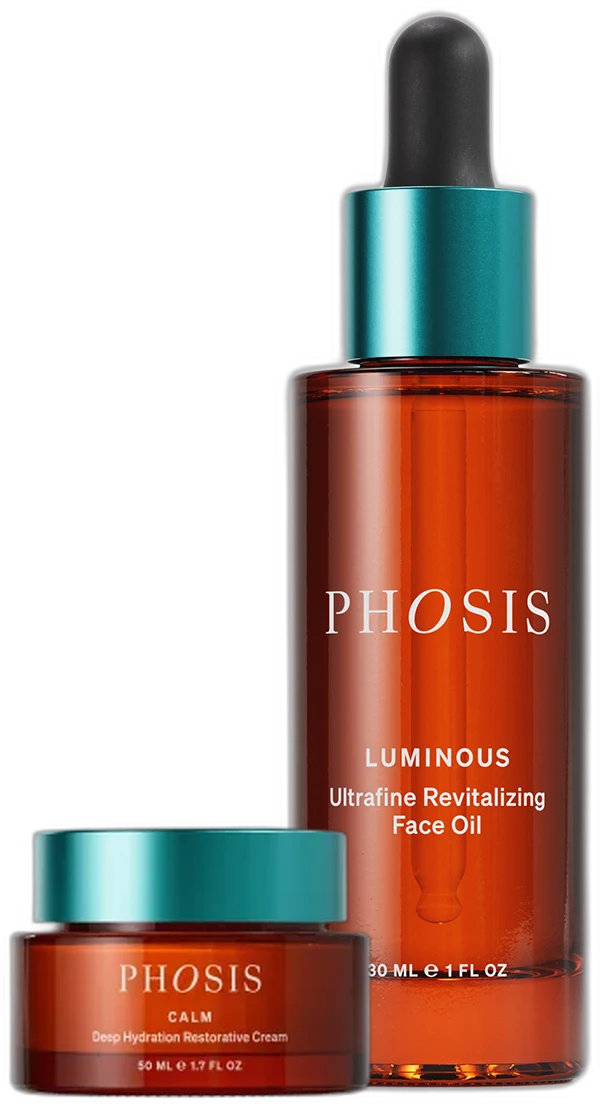
At Phosis, our clinically proven, fragrance-free formulas are designed specifically for the skin changes that come with perimenopause and menopause, including the barrier breakdown that makes skin more vulnerable to aging from every direction, particularly glycation. Vulnerable skin doesn't need more products, it needs the right ones created for it.
Curious about skincare built for the biology of your skin? Explore Phosis skincare here.
Questions women like you asked
Does sugar really cause skin aging?
Sugar contributes to skin aging through glycation, a reaction in which sugar molecules bind to collagen and elastin and form advanced glycation end products. These cross-link collagen fibres, making skin stiffer and less able to bounce back. Sugar is not the leading cause of wrinkles, which is ultraviolet exposure, but it accelerates the structural decline already underway in midlife.
What is glycation in skin, in plain terms?
Glycation is sugar sticking to protein. Collagen is a protein, so when glucose and fructose circulate at high levels, some of it binds to collagen fibres and locks them together. Bound collagen is stiff rather than springy, and it resists the normal repair and replacement process.
How long does it take to see a difference after cutting sugar?
Months, not days. Skin collagen has a half-life of around 15 years, so structural change is slow in both directions. Hydration and inflammation often improve within a few weeks, which can make skin look brighter and calmer. Firmness and texture changes take considerably longer.
Can glycation be reversed?
Existing cross-links are very difficult to break, and no topical product has convincingly demonstrated it in human skin. What you can do is reduce how much new glycation occurs and support the collagen you still have. Treat prevention as the realistic goal.
Why does sugar affect menopausal skin more?
Two things are happening at once. Estrogen decline slows collagen production, with research showing up to 30% loss in the first five years after menopause, and the same hormonal shift raises oxidative stress. Glycation then degrades what collagen remains, while insulin sensitivity often changes at the same time.
Is fruit sugar bad for my skin?
Whole fruit is not a problem for most women. It arrives with fibre, water and antioxidants that slow absorption and help offset oxidative stress. Fruit juice is a different matter, because it delivers the sugar without the fibre. Fructose does participate in glycation more readily than glucose, which is the argument for limiting sweetened drinks rather than whole fruit.
Which foods are highest in AGEs?
Foods cooked with high, dry heat: fried, grilled, broiled and heavily browned items such as fries, bacon, fried chicken and charred meat. Fat and protein cooked at high temperature produce more AGEs than carbohydrates do, which surprises people. Boiled, steamed, poached and slow-cooked foods produce far fewer.
Does cooking method really matter that much?
Yes, and it is the change most people underestimate. The same piece of chicken produces substantially fewer AGEs poached than fried. Adding an acidic marinade before cooking and keeping temperatures lower both reduce formation further.
Do anti-glycation supplements work?
The evidence in human skin is limited. Compounds such as carnosine and alpha lipoic acid are studied for anti-glycation activity, but the trials are small and the outcomes are mostly laboratory measures rather than visible skin change. Diet, sun protection and a healthy barrier have far more support behind them.
Does sunscreen have anything to do with glycation?
It does. Ultraviolet exposure accelerates the formation of advanced glycation end products, so daily broad-spectrum protection reduces glycation damage as well as direct photoaging. It is the highest-value habit on the entire list.
Can skincare reduce glycation damage?
Topicals cannot reverse cross-linked collagen, but antioxidants such as vitamin C, niacinamide and polyphenols reduce the oxidative stress that drives further AGE formation. Keeping the barrier intact matters too, because a compromised barrier lets in more of the environmental stress that compounds the problem.
Is sugar the reason my skin lost its firmness after menopause?
It is a contributor rather than the cause. The dominant factor is estrogen decline and the collagen loss that follows it, with sun exposure close behind. Glycation sits on top of both, stiffening what collagen remains and slowing replacement.
Will it sting if my skin reacts to everything?
It's formulated for reactive, compromised skin: no fragrance, no retinol, no acids. In HRIPT testing it was 100% non-irritating.
How quickly will I see a difference?
The first week is mostly relief as the stinging and tight dryness ease. The visible change builds over weeks two to eight.