Curious about estrogen face cream or estriol face cream? As more women seek skincare that addresses the hormonal changes of perimenopause and menopause, interest in topicals that contain hormones is on the rise. But with limited studies, evolving regulation, and safety concerns, many women are also asking: Is this the right solution for me? And if not—what are the best alternatives for supporting my skin?
Below, we’ll explore how estrogen face creams work, the skin benefits, the potential concerns surrounding them, and why a hormone-free approach to barrier repair and collagen stimulation could offer a better path forward.
The Short Answer
Estrogen face creams are prescription compounded medications, usually containing estriol, sold largely through menopause telehealth companies. The biology behind them is real: estrogen supports collagen, hydration and barrier function in skin, and its decline is why menopausal skin changes. What does not yet exist is the evidence. There is no FDA-approved estrogen face cream, no large long-term facial safety study, and no agreement on which estrogen, at what dose, for whom. Women with a history of hormone-sensitive cancers are consistently advised to talk to a doctor first. For everyone else, it is a real medical decision, not a skincare purchase, and there are non-hormonal routes with better evidence behind them.
This article is educational and is not medical advice.
What is estrogen face cream?
A quick science lesson: Estrogen is an umbrella term for several different forms of the hormone, among them estriol. You may hear the term “estrogen face cream” colloquially on social media, but the facial products trending today typically contain a form of estrogen called estriol. (You may see the word estriol on the packaging and in the product descriptions.)
Skincare infused with estrogen isn’t brand new — from the 1940s to the 1970s, brands like Helena Rubenstein and Elizabeth Arden sold versions that promised more youthful-looking skin. Eventually, the FDA began regulating the use of drugs in over-the-counter beauty products.
The estriol creams available today require a prescription, but are widely available from several new telehealth companies specializing in the treatment of menopause.
Estriol vs. Other Forms of Estrogen in Skincare
Not all estrogen creams are the same:
- Estradiol is a stronger form of estrogen and requires a prescription. You’ll most often find estradiol in vaginal creams. Some patients use these creams off-label on their faces.
- Estriol is a weaker, but still potent form of estrogen, popular in the prescription face creams marketed to women in perimenopause and menopause. If you see an estrogen cream while you’re scrolling on Instagram or TikTok, it probably contains Estriol. Though weaker than estradiol, estriol still interacts with estrogen receptors and may be absorbed systemically through the skin.
- You’ll find conjugated estrogens in Premarin, a brand name prescription vaginal cream popularly prescribed to rebuild vaginal tissues and make painful sex more comfortable. Some people have reported the off-label use of this cream (and other creams designed for the vagina) on the face.
- If you type “estrogen face cream” into the search bar on Amazon, products that contain phytoestrogens may pop up since they’re available without a prescription. Phytoestrogens are plant compounds that mimic estrogen in the body, but research on the safety and effectiveness of this ingredient is limited.
The practical takeaway: read the ingredient list, not the marketing. Estriol and estradiol are hormones and require a prescription. Phytoestrogens such as genistein, daidzein and resveratrol are cosmetic ingredients and are not the same thing, even when the product page implies they are.
How do estrogen face creams work?
Estrogen plays a critical role in many of the body’s systems, even your skin. Estrogen supports the skin in several ways: it increases collagen synthesis, enhances moisture retention, strengthens the skin barrier, and reduces inflammation. As estrogen declines in perimenopause, these processes slow, leading to visible changes in skin health.
Topical estrogens aim to kick your skin back into gear by stimulating the estrogen receptors in the skin. While there are a small number of studies that do show some promise, (one of them sponsored by a company that sells an estriol cream), there are other studies that question the effectiveness of topical hormones for treating the signs of aging, like dryness, fine lines, wrinkles, unevenness, and sagging.
Another complicating factor? “The studies we do have run the gamut between creams that contain estriol, estradiol, and compounded estrogens, so even if they do show promise it is tough to know what kind of estrogen might work best, and in what dose, and for whom,” says Dr. Heather Bartos, an OB/GYN, menopause expert, and author of Quickies: One Hundred Little Lessons for Living Sexily Ever After in Midlife.
What the Studies Actually Measured
When you look past the headline claims, the research on topical estrogen for skin shares a set of limitations worth knowing before you spend money.
Small numbers. Many of the studies involve a few dozen participants rather than the hundreds you would want before drawing conclusions about a hormone.
Short durations. Skin structure changes slowly. A twelve-week study tells you very little about what two years of daily hormone application does.
Inconsistent products. As Dr. Bartos notes above, the trials use different estrogens at different concentrations in different bases, so the results are not comparable with each other or transferable to whatever cream you were shown online.
Measured in the wrong place. Some of the older research assessed skin on the forearm or the inner thigh rather than the face, which has different thickness, blood supply and sun exposure.
Funding. At least one of the more favourable recent studies was run by a company selling an estriol cream. That does not make it wrong, and it does mean independent replication matters.
Safety follow-up. Efficacy studies rarely track endometrial outcomes or hormone levels over years, which is precisely the question the sceptical doctors are asking.
Compare that with retinoids, which have decades of independent trials, or sunscreen, which has the largest effect of any intervention available. The gap is not subtle.
Is estrogen face cream safe?
The short answer: We don’t know. The longer answer is complex. Let’s break it down.
- Estrogen Face Creams are not FDA-approved. While vaginal estrogen has undergone extensive safety studies and is FDA-approved, there’s no such thing as an FDA-approved estrogen face cream. Why is that? They’re compounded medications, meaning they are whipped up in pharmacies or by physicians rather than manufactured and sold by a pharmaceutical company. The FDA does not verify the safety, effectiveness, or quality of compounded drugs before they are marketed.
- We don’t have long-term studies that prove estrogen face creams are safe. While we do have long-term safety data on vaginal estrogen creams, the research we have on estrogen face creams is limited.
- We’re not totally sure how much estrogen is absorbed systemically through the skin on your face. We know that the amount of estrogen women absorb when using vaginal creams is very small. A recent study conducted by a company that sells an estrogen face cream showed that their cream did not raise the systemic hormone levels of study participants.
However, since some think the consequences of having too much estrogen in the body without mitigating the effects with carefully dosed progesterone could potentially be severe — some raise endometrial cancer as a possibility — some doctors say they want larger, long-term studies that prove the estrogen from face creams are not absorbed throughout the body before they feel comfortable prescribing them. Most experts agree that women with a history of hormone-sensitive cancers – breast, uterine, or ovarian cancers, for example – should speak to a doctor before using estrogen face creams.
There is a fourth issue that gets little attention: the pattern of use. A hormone applied to a large, thin, well-supplied surface area, twice a day, indefinitely, is an unusual way to dose a drug. Nobody has studied that pattern over years. The absence of reported problems is not the same as evidence of safety when the study simply has not been done.
Can I use vaginal estrogen cream on my face?
Some women consider this workaround, and there’s even a prominent dermatologist who says that she has been using the drug Premarin on her undereye area for years to thicken skin. However, some doctors advise against it since vaginal creams are not FDA-approved for use on the undereye area. “It may cause skin irritation or sensitivity,” says Dr. Bartos. “And we just don’t know yet how much estrogen you’ll absorb systemically.”
It is also worth separating the two conversations properly. Low-dose vaginal estrogen prescribed for genitourinary syndrome of menopause is a well-studied, FDA-approved treatment for a specific condition, and for many women it is an excellent one. Its safety record applies to that use, at that dose, in that tissue. It does not transfer to the same tube being used on your face for wrinkles.
Who should avoid estrogen face cream?
Remember, these creams are medications, and it’s always a good idea to check with a doctor who understands the full picture of your health, your family history, any chronic conditions, and has a full list of what you’re already taking. Take extra care to consult a doctor if any of the following apply to you:
- You’ve had or have had hormone-sensitive cancers (breast, ovarian, uterine)
- You’re pregnant or nursing
- You have estrogen-dominant PCOS
- You have sensitive skin, acne, rosacea, or melasma
- You’re prone to hormonal breakouts
- You haven’t spoken to a medical provider about your skin and health history
- You prefer to avoid hormone exposure in skincare products altogether
Three more worth adding to that list: a strong family history of hormone-sensitive cancers or a known genetic risk such as a BRCA variant, current treatment with tamoxifen or an aromatase inhibitor, where the point of the medication is to suppress estrogen activity, and any undiagnosed vaginal bleeding, which needs investigating before any hormone is added.
Questions to Ask Before You Order One
Telehealth makes it easy to get a prescription in fifteen minutes. That convenience is not the same as an evaluation. Take these to whoever is prescribing:
- Given my personal and family history, is any topical estrogen appropriate for me?
- Which estrogen is in this, at what concentration, and which pharmacy compounds it?
- How much systemic absorption should I expect at twice-daily facial use?
- Do I need progesterone alongside it, and do I need endometrial monitoring?
- Does it interact with anything else I take, including systemic hormone therapy?
- What would make you tell me to stop, and how quickly should I report it?
- How long before we decide it isn't working?
A prescriber who cannot answer question three, or who does not ask about your family history before answering question one, has told you something useful about the quality of the consultation.
If You're Already Using One
Plenty of women reading this already have a tube in the bathroom. A few practical points rather than a lecture:
- Tell every clinician you see, including your gynaecologist and your dermatologist, that you are using it. It belongs on your medication list, not your skincare shelf.
- Report any unexpected vaginal bleeding, breast tenderness or breast changes promptly.
- Watch for melasma or new pigmentation, which is one of the more commonly reported effects, and wear sunscreen daily if you continue.
- Do not double up by applying it on top of systemic hormone therapy without telling your prescriber.
- Take a dated photograph now and reassess honestly at twelve weeks rather than relying on how you feel about it.
- Use the smallest amount that achieves something, not the most.
How the Options Compare
| Approach | Evidence quality | Regulated | Prescription needed | Suitable with hormone-sensitive history |
|---|---|---|---|---|
| Daily sunscreen | Strongest available | Yes | No | Yes |
| Retinoids | Decades of trials | Yes | Varies by strength | Yes |
| Peptides | Good for specific studied peptides | Cosmetic | No | Yes |
| Antioxidants and niacinamide | Good | Cosmetic | No | Yes |
| Barrier lipids | Good, well established | Cosmetic | No | Yes |
| Phytoestrogens | Moderate, limited | Cosmetic | No | Usually, but ask |
| Estriol or estradiol face cream | Limited, safety unresolved | Compounded, not FDA-approved | Yes | Generally advised against |
What are the best estrogen face cream alternatives?
For women seeking effective, non-hormonal alternatives, science-backed skincare can offer real support without the complexities of hormone-based products.
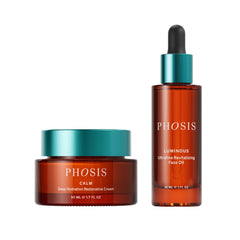
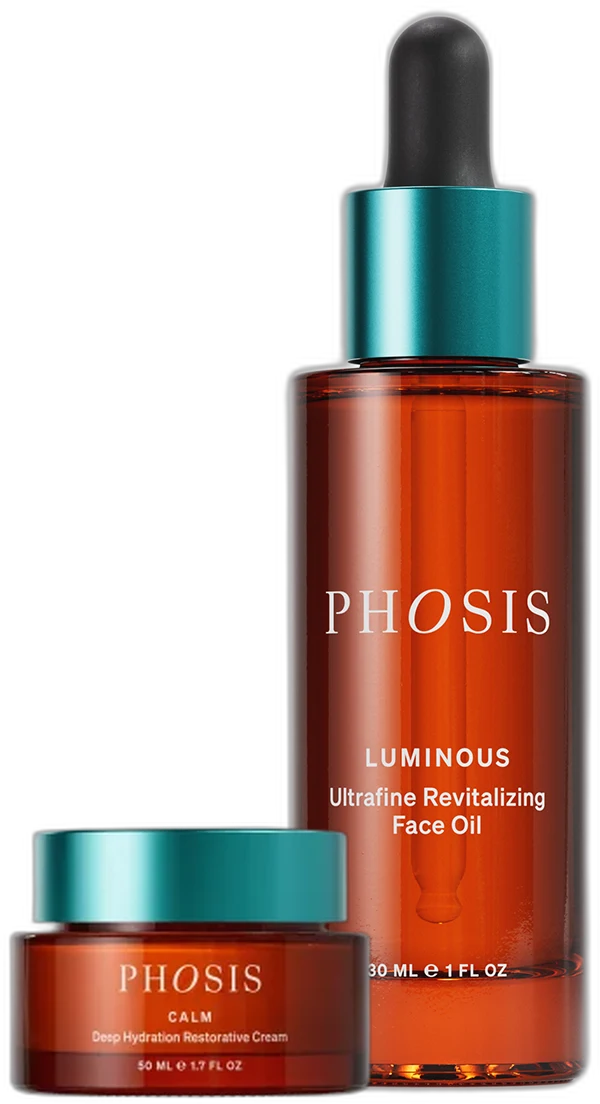
At Phosis, we’ve designed a skincare ritual specifically for women in perimenopause and menopause. Our clinically proven approach addresses the skin symptoms of perimenopause — a compromised skin barrier, dryness, redness, and texture.
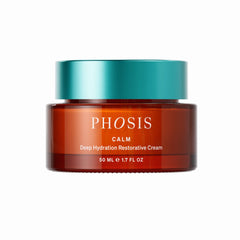
Step 1: Calm Deep Hydration Restorative Cream
Calm Deep Hydration Restorative Cream is a clinically-proven, antioxidant-rich moisturizer designed to thoroughly nourish and support tired, parched skin. Can be used AM/PM on the face, neck, and decolletage to hydrate and boost moisture while reducing the appearance of fine lines. With a combination of highly active botanicals, this cream boosts firmness and reduces the appearance of redness. Calm includes a red algae extract that provides a mild cooling sensation to the skin after application. Ceramides help restore strong barrier function. A thick, lush, luxurious cream without heaviness or greasiness. Fragrance and essential oil free. Ideal for perimenopausal and menopausal skin.
- Improves barrier function and reinforces barrier strength
- Delivers soothing Hydration and moisturizes skin
- Softens the look of fine lines
- Helps strengthen moisture barrier
- Improves the look of skin tone and texture
- Reduces the appearance of redness
- Improves elasticity, offers jowl line contouring
- Maintains microbiota diversity
- Boosts firmness
- Improve skin matrix
- Increases skin thickness
- Improve barrier function/reinforce barrier strength
- Improves skin softness
In an independent clinical trial of Calm Deep Hydration Restorative Cream ...
- 97% of women reported that their skin felt smoother
- 93% of women had an improvement in radiance
- 84% of participants had an improvement in texture
- 82% of women had an improvement in suppleness
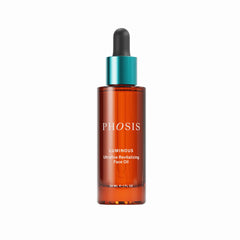
Step 2: Luminous Ultrafine Revitalizing Face Oil
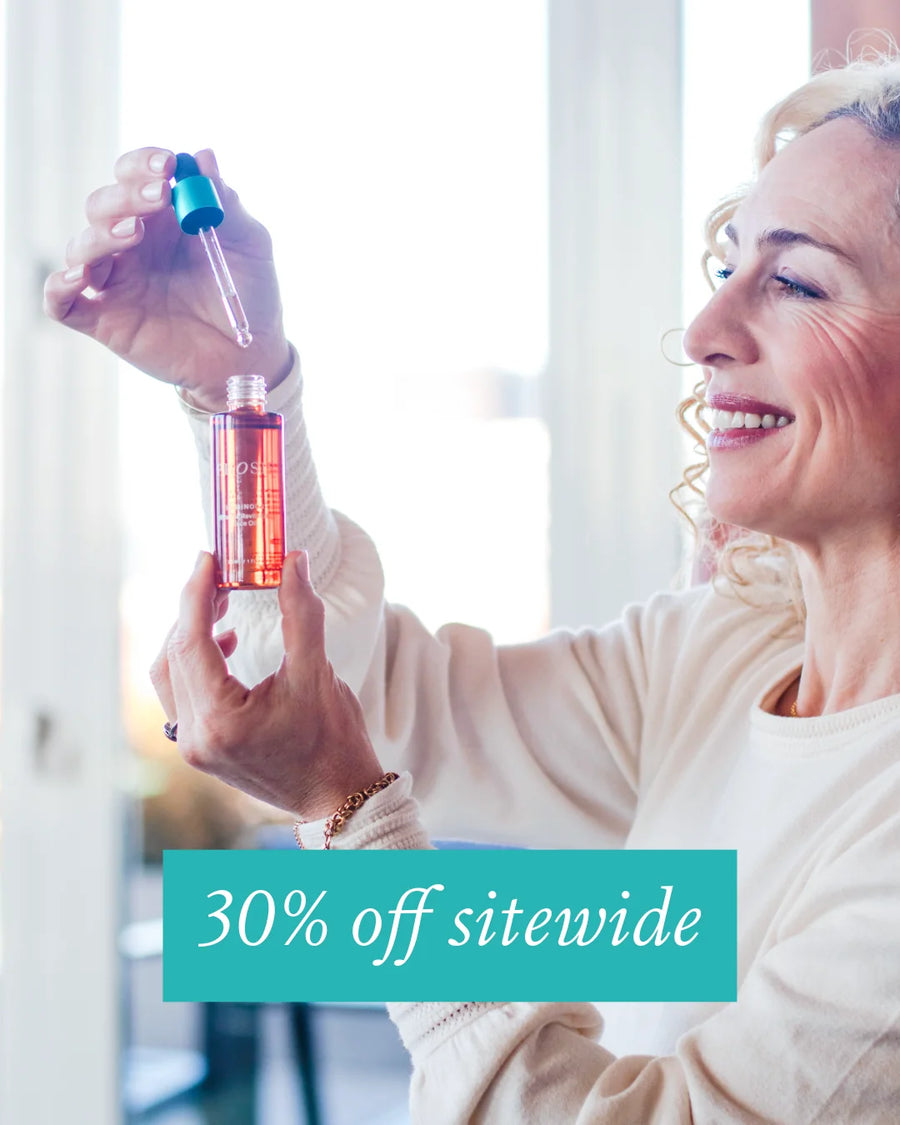
Luminous Ultrafine Revitalizing Face Oil brings clinically tested relief for dry skin. Can be used alone or over moisturizer to illuminate dull skin. Antioxidant-rich formula boosts softness and improves radiance. Restores suppleness. Skin protectant and emollient. Fragrance and essential oil free. Certified MyMicrobiome Friendly. Ideal for perimenopausal and menopausal skin.
Benefits
- Locks in moisture, prevents moisture loss
- Promotes skin barrier homeostasis
- Lightweight, non-greasy feel
- Boosts skin softness and smoothness
- Aids in evening skin tone
- Effective emollient for the skin
- Soothing relief for parched skin
- Can be used alone or over moisturizer to illuminate dull, dry skin
- Antioxidant-rich formula boosts softness and improves radiance
- Restores suppleness
- Fragrance and essential oil free
- Certified MyMicrobiome Friendly
- Ideal for perimenopausal and menopausal skin
What are some skincare ingredients that act like a more “natural” or hormone-free alternative to estrogen?
These carefully chosen, science-backed botanicals and actives work synergistically to support hydration, firmness, elasticity, and overall skin vitality:
Jojoba Esters. Delivers soothing hydration, improves softness, and strengthens the skin’s moisture barrier.
Glycerin. A classic humectant that draws moisture into the skin, leaving it soft, supple, and hydrated.
Meadowfoam Seed Oil. Nourishes deeply, softens fine lines, and supports the skin’s natural barrier.
Ruttnera Lamellosa Oil. Conditions and hydrates, while improving texture and radiance with potential antioxidant benefits.
Watanabea Reniformis Oil. Rich in essential fatty acids, it strengthens the barrier, firms, calms redness, and supports regeneration.
Hydrolyzed Lupine Protein. Boosts firmness, improves tone and texture, and enhances skin thickness.
Engelhardtia Leaf Extract. An antioxidant-rich extract that improves elasticity, softness, and barrier resilience.
Red Algae Extract. Deeply moisturizing and protective, with redness-reducing and antioxidant properties.
White Truffle Extract. A luxurious hydrator that firms, improves tone, and softens fine lines with skin-thickening benefits.
Acetyl Hexapeptide-8. A peptide that visibly lifts, improves skin volume and elasticity, and refines the jawline.
Vitamin E (Tocopherol). A powerful antioxidant with emollient properties, especially potent when combined with Vitamin C.
Linoleic Acid. Smoothes, softens, calms inflammation, and supports the skin's natural moisture balance.
Phytosterols. Help soothe, hydrate, and soften sensitive or irritated skin.
Phospholipids. Moisturizing, protective, and rich in antioxidants that support skin health.
Bisabolol. A natural compound from chamomile, it soothes, heals, and protects skin from daily stressors and irritation.
Ginger Root Extract. An antioxidant-rich, anti-inflammatory botanical that improves tone and works synergistically with Bisabolol to calm redness.
Aloe Vera (Leaf Juice / Gel). Revered for its soothing, hydrating, and wound-healing benefits, ideal for inflammation-prone skin.
Ceramides (Ceramide NP). Strengthen the skin barrier and restore moisture retention.
Ectoin. A powerhouse hydrator with soothing, anti-inflammatory benefits.
Glyceryl Behenate. Prevents water loss, softens skin, and enhances formula smoothness.
Sunflower Seed Wax and Oil. Calm, hydrate, and support the barrier—especially beneficial for sensitive or dry skin.
Rice Bran Extract. Helps skin retain moisture, improving softness and smoothness.
Rosemary Leaf Extract. Smoothes fine lines, reduces inflammation, and boosts the skin’s resistance to environmental stress.
Two additions that belong at the top of any honest version of this list, even though neither is exciting: daily broad-spectrum sun protection, which preserves more collagen than anything else available, and consistency, because every ingredient above is measured over weeks and most women change products before the measurement window closes. If you want the detail on how the peptide in that list was chosen, I've written about whether peptides actually work.
How Long Until Any of This Shows?
A realistic timeline for the non-hormonal route, so you can judge it fairly:
- Week 1. Comfort. Tightness, stinging and flaking ease as the barrier begins to close.
- Weeks 2 to 4. Hydration improves, skin looks less dull, makeup sits better.
- Weeks 4 to 8. Reactivity drops, texture starts to change, redness settles.
- Weeks 8 to 12. Firmness and elasticity changes become measurable. This is the window clinical trials use, and the reason ours are run to eight weeks.
- Beyond. Cumulative and ongoing rather than a course you finish.
The Bottom Line
Estrogen and estriol face creams may seem like a promising territory to explore in the pursuit of youthful-looking skin, but for now, they come with complexity. Whether it’s safety concerns, personal preference, or a desire for long-term support without hormonal interference, many women are looking for something different.
At Phosis, we’ve created that alternative. Through formulas that contain barrier-repairing ceramides, antioxidants that boost collagen production and soothe redness, and a cutting-edge peptide to make your skin appear more lifted and refined, Calm and Luminous are designed to give you gorgeous skin in midlife and beyond. Hormone-free. Science-forward. Luxuriously effective.
Questions women like you asked
What is estrogen face cream?
It is a prescription cream containing a form of estrogen, most often estriol, applied to the face to counteract the skin changes caused by hormonal decline. The versions marketed today are compounded medications prepared by pharmacies rather than manufactured pharmaceutical products, and they are typically sold through menopause telehealth companies.
Does estrogen face cream actually work?
A small number of studies show promise, including one funded by a company that sells one, while other research questions the effectiveness of topical hormones for dryness, fine lines and sagging. The studies use different estrogens at different doses, so even the positive results are difficult to generalise. There is no settled answer yet.
Is estriol face cream safe?
We do not know with confidence. There is no FDA-approved estrogen face cream, no long-term facial safety data, and unresolved questions about how much is absorbed systemically. Most experts agree that women with a history of breast, uterine or ovarian cancer should speak to a doctor before using one.
What is the difference between estriol and estradiol?
Estradiol is the more potent form and is most often found in prescription vaginal creams. Estriol is weaker but still active, interacts with estrogen receptors and may be absorbed through the skin. Weaker is not the same as risk-free, and the relevant question is your own medical history rather than which molecule is milder.
Is estrogen face cream FDA approved?
No. These are compounded medications, meaning they are prepared by pharmacies or physicians rather than manufactured and tested as pharmaceutical products. The FDA does not verify the safety, effectiveness or quality of compounded drugs before they reach the market.
Can I put vaginal estrogen cream on my face?
Some people do, and at least one prominent dermatologist has said publicly that she uses Premarin around her eyes. Other doctors advise against it, since vaginal creams are not approved for facial use, may cause irritation, and carry unknown systemic absorption when applied to facial skin.
Do I need progesterone if I use an estrogen face cream?
That is exactly the question the more cautious doctors are raising, because unopposed estrogen exposure carries endometrial considerations for women with a uterus. It is a question for your prescriber before you start, not after.
Are phytoestrogens the same as estrogen face cream?
No. Phytoestrogens are plant compounds such as genistein and resveratrol that weakly mimic estrogen. They are cosmetic ingredients available without prescription, not hormones, and research on their effectiveness is limited. Products found by searching for estrogen creams online often contain these instead.
Who should avoid estrogen face creams?
Anyone with a history of hormone-sensitive cancer, pregnancy or nursing, estrogen-dominant PCOS, or a tendency toward melasma and hormonal breakouts should speak to a doctor first. The same applies to women taking tamoxifen or an aromatase inhibitor, and to anyone with undiagnosed vaginal bleeding.
What are the side effects of estrogen face cream?
Reported effects include skin irritation, melasma and hyperpigmentation, breakouts in women prone to hormonal acne, and breast tenderness. Any unexpected vaginal bleeding should be reported to a doctor promptly.
What can I use instead of estrogen face cream?
Daily sun protection has the largest effect of anything available. Retinoids carry the deepest evidence for wrinkles, and peptides, antioxidants such as vitamin C and niacinamide, and barrier lipids including ceramides, phospholipids and phytosterols improve firmness, texture and barrier strength without adding a hormone.
How much do estrogen face creams cost?
Because they are compounded and prescribed through telehealth, they typically involve a consultation fee plus an ongoing monthly cost, and they are rarely covered by insurance for cosmetic use. Any results depend on continued use, so it is a recurring commitment rather than a one-off purchase.
How long before I see results from hormone-free alternatives?
Comfort improves within about a week, hydration in two to four, and firmness and elasticity between eight and twelve weeks. That timeline is why clinical trials measure at eight and twelve weeks, and why judging a product at three weeks tells you very little.
Will it sting if my skin reacts to everything?
It's formulated for reactive, compromised skin: no fragrance, no retinol, no acids. In HRIPT testing it was 100% non-irritating.
How quickly will I see a difference?
The first week is mostly relief as the stinging and tight dryness ease. The visible change builds over weeks two to eight.