If your skin suddenly feels like it’s staging a protest — flaking, itching, or feeling more reactive than usual — hormonal shifts during perimenopause and menopause might be the culprit for your itchy bumpy skin. But before you resign yourself to a lifetime of uncomfortable skin, understanding what’s happening beneath the surface can help you navigate this new era with confidence (and a well-stocked beauty cabinet).
Skin Changes During Perimenopause and Menopause
Think of perimenopause and menopause as a major plot twist for your skin. As estrogen levels fluctuate, your skin produces less oil, which can lead to dryness, irritation, and an overall feeling of sensitivity. But here’s the good news: with the right care, your skin can still be radiant, resilient, and—yes—comfortable.
Skin Dryness During Perimenopause and Menopause
One of the most noticeable shifts? Skin that suddenly drinks up moisturizer like it’s been stranded in the desert. As oil production slows, your once-plush complexion can start feeling rougher, fine lines may look more pronounced, and that dreaded tight, papery sensation sets in—especially on your hands, arms, legs, and face. If you’ve ever caught a glimpse of flaky skin on the inside of your leggings, consider this your sign to double down on deep hydration.
Why is Skin Itchy During Perimenopause and Menopause?
Estrogen plays a vital role in maintaining skin hydration, elasticity, and resilience. As its levels decrease, so does the skin’s ability to retain moisture, leading to dryness and discomfort. The weakening of the skin barrier makes it more susceptible to environmental irritants and ingredients that were no problem before. This transition can cause persistent itchiness, tightness, and irritation across different areas of the body.
Skin Rashes During Perimenopause and Menopause
If your skin is reacting to just about everything these days, you’re not imagining it. Hormonal fluctuations can spark inflammatory responses, leading to red, irritated patches that mimic eczema or contact dermatitis. And if perioral dermatitis (those stubborn red bumps around the mouth, nose, and eyes) suddenly makes an unwelcome appearance, stress, environmental factors, and even your go-to skincare products could be making it worse. Ask your doctor about these other common conditions:
-
Eczema (Atopic Dermatitis): Red, inflamed patches of skin that are intensely itchy and dry, often with a rough texture that may crack or weep.
-
Prurigo nodularis: Hard, raised bumps that are extremely itchy, often appearing in clusters and resulting from persistent scratching.
-
Hives (Urticaria): Raised, pink, or red welts that can vary in size, often appearing suddenly and causing a burning or stinging sensation.
-
Contact Dermatitis: Red, irritated skin with a rash that may be dry, swollen, and sometimes blistered, typically appearing after contact with certain products.
-
Seborrheic Dermatitis: Flaky, greasy patches of skin with a yellowish or reddish tint, often found on the scalp, face, and chest, and accompanied by itching or burning.
-
Genitourinary Syndrome of Menopause (GSM): Itching and dryness in the vaginal and vulvar areas, often accompanied by a feeling of tightness or discomfort.
Itchy Skin: Face vs. Body
Face: The thinner, more delicate skin on your face is particularly vulnerable, which means dryness and irritation are often most noticeable around the eyes, mouth, and cheeks. A compromised skin barrier can also make once-trusted products feel too harsh.
Body: Reduced oil production leaves your arms, legs, and back craving moisture. Areas with naturally thinner skin—like the neck and décolletage—can become especially prone to that maddening, persistent itch. For some, it’s so intense it can disrupt sleep, making the right skincare routine more than just a luxury—it’s a necessity.

10 Tips to Prevent and Treat Itchy Skin During Perimenopause and Menopause
1. Hydrate Like It’s Your Job
Water is great, but hydration starts with what’s on your plate. Load up on omega-3-rich foods like walnuts, flaxseeds, and salmon to support your skin from within.
2. Upgrade Your Cleanser
Your skin’s already losing moisture—don’t let a harsh cleanser strip it further. Opt for a non-foaming formula with ceramides and soothing ingredients like oat extract to cleanse without irritation.
3. Go All In on Barrier-Repairing Moisturizers
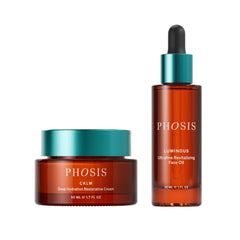
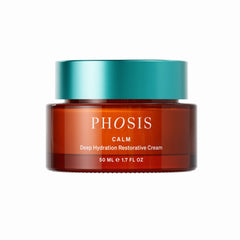
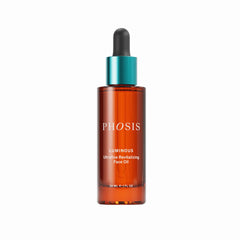
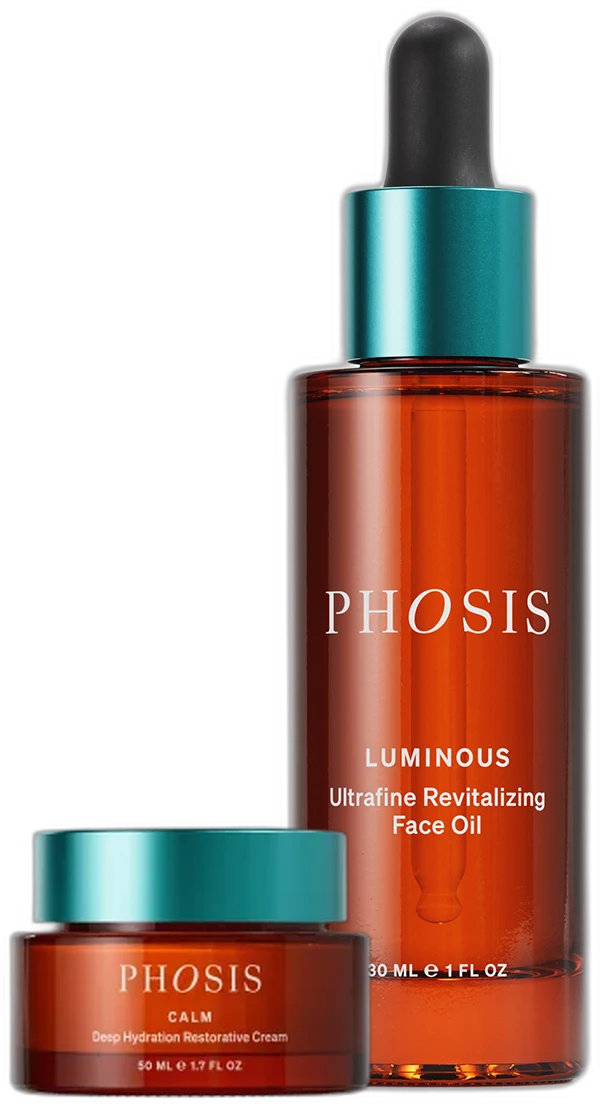
Think thick, rich, and nourishing. Look for creams packed with ceramides and botanical oils like Calm Deep Hydration Restorative Cream and Luminous Ultrafine Revitalizing Face Oil to replenish and protect your skin’s natural barrier.
4. Eat (and Drink!) for Glow-Worthy Skin
It may seem obvious, but it's worth mentioning. Studies show that drinking enough water and eating mostly whole, nutrient-dense foods can make skin look healthier. Specifically, load up on avocados and foods rich in Omega-3 fatty acids like salmon, walnuts, and flax seed to support your skin from within. Research suggests that these foods help boost hydration and keep skin looking and feeling its best.
5. Dial Down the Water Temperature
Long, hot showers? Not doing your skin any favors. Lukewarm water keeps your skin’s natural oils intact and prevents moisture loss.
6. Skip the Fragrance (for Now)
Fragrances and synthetic additives can trigger irritation. Stick to fragrance-free skincare and laundry detergents to keep flare-ups at bay.
7. Turn Up the Humidity
Indoor heating and AC can zap moisture from the air—and your skin. A humidifier can help keep hydration levels steady, especially in cooler months.
8. Consider Hormonal Support
If skin discomfort is taking a toll, chat with your doctor (preferably someone familiar with the skin symptoms of menopause) if prescription options like topical creams, oral medication, or even hormone replacement therapy (MHT) are appropriate for your symptoms.
9. Soothe with Skin-Loving Ingredients
Look for formulas infused with ceramides, red algae extract, seabuckthorn oil, meadowfoam seed oil, colloidal oatmeal, aloe vera, and calendula to calm irritation and support long-term skin comfort.
10. Dress for Comfort
Synthetic fabrics can make itchy skin feel even worse. Natural fibers like cotton and silk help reduce friction and keep skin irritation to a minimum.
Embracing the Shift
Your skin is evolving, but that doesn’t mean it has to be uncomfortable. By treating it with the care (and hydration) it deserves, you can keep it healthy, luminous, and—most importantly—comfortable at every stage. Consider this your invitation to upgrade your routine, listen to your skin, and embrace change with confidence.