Healthy, radiant skin starts with a strong foundation—and that foundation is your skin barrier. When it’s working well, your barrier locks in hydration, defends against irritants, and supports everything from glow to resilience. But when it’s compromised, your skin can become dry, dull, and reactive.
A damaged skin barrier is more common than you might think, especially during perimenopause, when estrogen levels drop and the skin produces fewer of the lipids like ceramides it needs to stay protected. The good news? Your barrier can be repaired with the right support.
In this guide, we’ll explore the science behind skin barrier function and exactly what to do if your skin is feeling out of balance.
What is the skin barrier?
Your skin barrier is your skin’s built-in strength—its way of holding the good in and keeping the bad out. Technically called the stratum corneum, it’s the outermost layer of skin, made up of cells and lipids stacked together like bricks and mortar. Its job? Simple, but essential: retain moisture, block irritants, and keep your complexion calm, smooth, and resilient.
When your barrier is healthy, your skin tends to behave— it looks glowy, hydrated, and balanced. But when it’s damaged, everything feels off.
“I spend a lot of time treating patients who suffer from barrier dysfunction,” says Dr. Joseph Pietrangelo, a board-certified dermatologist in Memphis, TN. “Symptoms like dryness, rough texture, and redness are your skin’s way of telling you that you need to rethink your routine.”
Even your most trusted products can suddenly sting. That’s your skin’s quiet way of telling you it needs support.
How does a skin barrier become damaged?
While your skin barrier is remarkably smart, it’s also surprisingly sensitive. Every day stressors can wear it down without you even realizing it. Overdoing exfoliation, using a foaming or fragranced cleanser, layering too many active ingredients, or living in a dry or windy climate—all of these chip away at your skin’s natural defense system.
And then there’s perimenopause and menopause. As estrogen levels begin to dip, your skin produces fewer lipids—the very ingredients that help keep your barrier strong. What used to feel like “normal” skin might start to feel dry, reactive, or look dull, red, or rough. Your glow gets a little dimmer. This is when barrier repair becomes a necessity.
Skin barrier vs. moisture barrier — are they the same thing?
You’ll often hear “skin barrier” and “moisture barrier” used interchangeably to refer to the stratum corneum or outermost layer of your skin. Sources that refer to the “moisture barrier” are typically talking about the stratum corneum’s role in preventing water loss — dermatologists call this transepidermal water loss or TEWL. When you’re shopping for skincare products, look for either (or both) of these terms — they’re the same thing.
How to Tell If Your Barrier Is Actually Damaged
Before jumping into repair mode, it helps to confirm what you're actually dealing with, since barrier damage shares symptoms with a few other things. The classic signs cluster together: skin stings or tingles when you apply products that used to feel fine, tightness persists even minutes after moisturising, texture feels rough or looks dull rather than smooth, and you may notice visible flaking or patches of redness that come and go. A simple at-home check: if your skin feels tight again within twenty minutes of applying a well-formulated moisturiser, water is escaping faster than the product can replace it, which is a fairly reliable sign the barrier itself, not just surface hydration, needs attention.
15 ways to repair a damaged skin barrier
If your skin is sending SOS signals—tightness, redness, flakiness—it’s time to pause, reassess, and shift into repair mode. Here’s how:
- Streamline your routine. When your barrier is compromised, less is more. Strip your routine back to the essentials—cleanser, barrier repair cream, and sunscreen—so your skin can focus on healing without being overwhelmed by multiple actives.
- Take a break from exfoliating. Even gentle exfoliants like lactic acid or fruit enzymes can be too harsh for skin that’s red, flaky, or reactive. Give your skin a breather for at least a week, then slowly reintroduce actives one at a time if needed.
- Use a non-stripping cleanser. Harsh, foaming cleansers can disrupt your skin’s lipid layer and increase water loss. Opt for a gentle cream or oil-based cleanser that cleans without compromising your moisture barrier.
- Reach for ceramides. Ceramides are naturally occurring lipids that make up nearly 50% of your skin’s barrier. Using skincare products with added ceramides can help replenish what your skin loses with age and hormonal changes, especially in perimenopause. Dr. Pietrangelo agrees: “Numerous studies support the use of synthetic ceramides in order to improve skin barrier. I recommend creams containing ceramides frequently in my practice,” he says.
- Seal with botanical oils. Plant-based oils like jojoba, rosehip, and sea buckthorn mimic your skin’s natural sebum, locking in moisture and protecting the skin’s surface. They also deliver essential fatty acids that help rebuild barrier strength over time.
- Avoid fragrance. Fragrance—whether synthetic or “natural”—is one of the most common causes of skin sensitivity. When your barrier is already compromised, it’s best to eliminate potential irritants and go fragrance-free, says Dr. Pietrangelo.
- Layer humectants. Ingredients like hyaluronic acid and glycerin pull water into the skin and keep it there. Use a hydrating serum underneath your moisturizer to boost your skin’s water content and support elasticity.
- Apply mineral sunscreen daily. UV damage is one of the most significant threats to barrier health. Choose a mineral (physical) sunscreen with zinc oxide or titanium dioxide—they’re gentle on compromised skin and protect without irritation.
- Sleep on a silk pillowcase. Some experts suggest that silk creates less friction than cotton, which means less mechanical irritation for already inflamed or delicate skin. It also may help reduce moisture loss while you sleep.
- Eat your omegas. Omega-3 fatty acids—found in salmon, flaxseed, chia seeds, and walnuts—help reduce inflammation and strengthen the skin barrier. A balanced diet rich in healthy fats may improve skin texture and barrier resilience over time.
- Hydrate—inside and out. Drinking plenty of water supports your body’s overall hydration, but pairing it with topical hydration is key. Use humectant-rich serums and occlusive creams to lock that moisture inside the skin.
- Skip hot showers. Hot water strips the skin of its natural oils and can leave your barrier even more vulnerable. Stick to lukewarm showers and limit them to 10 minutes or less to protect your skin’s lipid layer.
- Stress less. Chronic stress triggers inflammation and slows your skin’s natural healing process. Try stress-reducing practices—like breathwork, walks, or journaling—to support your skin from the inside out.
- Stick to pH-balanced products. Healthy skin maintains a naturally acidic pH (around 4.7–5.5). Using high-pH products, like some soaps and foaming cleansers, can disrupt this balance and impair barrier function.
- Give it time. Skin barrier repair isn’t instant—true healing can take days or even weeks. Be patient, stay consistent, and remember: recovery happens when we care deeply, not when we do more.
How Long Does Barrier Repair Actually Take?
"Days or even weeks" covers a wide range, so here's a more specific breakdown of what to expect at each stage. Comfort is usually the first thing to improve, often within three to seven days, as stinging and tightness begin to ease. Visible hydration and a reduction in flaking typically follow over the next two to four weeks. Full barrier function, measured clinically as reduced transepidermal water loss, generally takes six to eight weeks of consistent care to stabilise, and firmness or texture improvements tend to build on top of that timeline rather than arriving alongside it. The most common reason a good barrier routine gets abandoned is judging it at week two, right when comfort has improved but the deeper repair hasn't caught up yet.
What’s the difference between a barrier cream and a regular moisturizer?
While all moisturizers hydrate, not all of them help repair. That’s where barrier creams come in.
A typical moisturizer works by drawing water into the skin or preventing it from evaporating—great for a quick hydration boost. But if your skin barrier is damaged (think: tight, flaky, red, or reactive), a standard moisturizer often isn’t enough. You need something that actively helps rebuild your skin’s protective layer.
Barrier creams go a step further. They’re formulated with lipids like ceramides that mimic what your skin naturally produces to keep itself strong and resilient. These creams don’t just hydrate—they restore. They reinforce the skin’s structural integrity, reduce water loss, and protect against environmental stressors.
If you’ve ever felt like your usual cream “just sits there” or disappears within minutes, your skin may be craving the deeper, structural support a barrier cream can offer.
What's the best skin barrier cream?
When your skin barrier is compromised, the right cream can make all the difference. Look for formulas rich in ceramides, fatty acids, and antioxidants—ingredients that mimic what your skin naturally produces but may be struggling to hold onto, especially during perimenopause.
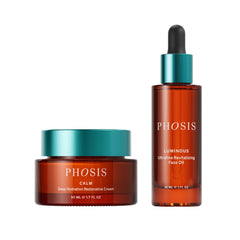
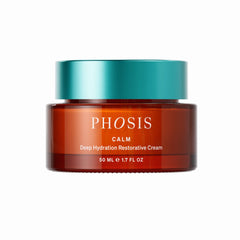
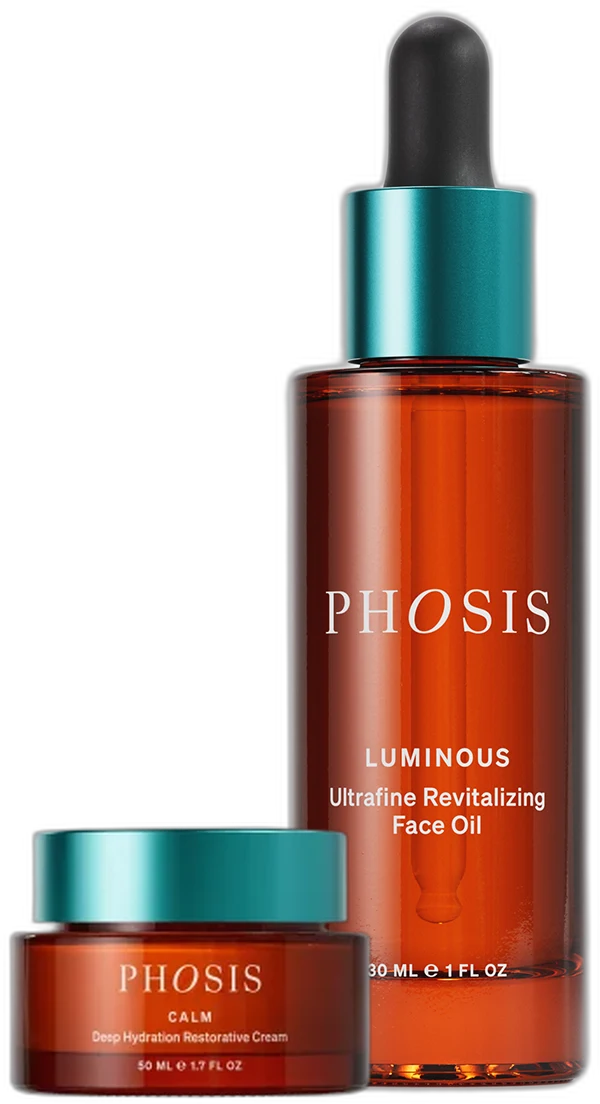
Our top recommendation? Calm Deep Hydration Cream.
Designed specifically for women in perimenopause and menopause, Calm delivers intense hydration and barrier repair in a fragrance-free, dermatologist-tested formula that’s as luxurious as it is effective.
Why it works:
- Clinically proven to strengthen the skin’s barrier
- Packed with five essential ceramides to replenish lipids lost during perimenopause
- Rich in plant-based antioxidants like green tea, bisabolol, and calendula to calm redness and visibly reduce inflammation
- Deeply moisturizes without clogging pores, making it suitable for sensitive, reactive, or acne-prone skin
- Dermatologist-tested and safe for sensitive skin, with no added fragrance or essential oils
After an 8-week clinical trial:
- 97% of women said their skin felt smoother
- 93% of women had an improvement in radiance
- 84% of participants had an improvement in texture
- 82% of women had an improvement in suppleness
How to Use a Barrier Cream
Use Calm morning and night as the final step in your routine—or just before a mineral-based sunscreen during the day—to help rebuild a smoother, calmer, more radiant complexion.
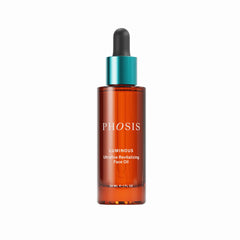
And for a final layer of protection and glow? Add Luminous, our lightweight facial oil, as the last step in your evening routine or pressed gently over Calm during the day.
Formulated with a blend of jojoba, meadowfoam seed oil, prickly pear seed oil, and sea buckthorn oil, Luminous helps lock in hydration, soften skin texture, and support the microbiome. Together, Calm and Luminous create a nourishing seal that reinforces your skin’s barrier and leaves it looking luminous, not greasy.
It’s like wrapping your skin in silk—soft, protected, and beautifully supported.
Mistakes That Undo Barrier Repair
A few common habits that quietly cancel out an otherwise good routine: reintroducing an active before the barrier has had its full six to eight weeks to stabilise, using a "purifying" or clay-based mask on skin that's already compromised, double cleansing every night even on days without heavy makeup or sunscreen, and switching products every couple of weeks out of impatience rather than giving one routine time to actually work. Barrier repair rewards consistency more than almost anything else in skincare, and the biggest obstacle to it is usually restlessness rather than the wrong ingredients.
Final Thoughts
If there’s one thing we’ve learned, strong skin isn’t about having a perfect routine. It’s about giving your skin what it truly needs—and knowing when to pause, replenish, and protect.
In perimenopause and menopause, your body is doing the hard work of transformation. Your skincare should meet that moment with the same level of care. Barrier repair isn’t just a trend at Phosis. It’s the foundation of healthy, luminous skin—at every age.
Questions women like you asked
What is the skin barrier, in simple terms?
The skin barrier, technically the stratum corneum, is the outermost layer of skin, made of cells held together by lipids like ceramides, cholesterol and fatty acids. It works like a brick wall, retaining moisture and blocking irritants. When it's compromised, water escapes too easily and irritants get in too easily.
How do I know if my skin barrier is damaged?
Common signs include stinging when applying products that used to feel fine, tightness that returns soon after moisturising, dullness or rough texture, and visible flaking or redness. If skin feels tight again within twenty minutes of a good moisturiser, that's a fairly reliable indicator the barrier itself needs repair.
How long does it take to repair a damaged skin barrier?
Comfort typically improves within three to seven days. Visible hydration and reduced flaking build over two to four weeks. Full barrier function, measured as reduced water loss, generally takes six to eight weeks of consistent care, with firmness and texture improvements continuing after that.
What causes a damaged skin barrier during menopause?
Falling estrogen reduces the skin's production of ceramides and other barrier lipids, thinning the protective layer. On top of that hormonal shift, common habits like over-exfoliating, foaming cleansers, stacking too many actives, and hot showers all chip away at an already-weakened barrier.
What's the difference between a moisturizer and a barrier repair cream?
A standard moisturizer draws water in or slows its evaporation. A barrier repair cream goes further, supplying lipids like ceramides that rebuild the barrier's actual structure rather than just adding surface hydration. If a cream feels like it "just sits there," the barrier may need structural repair rather than more moisture.
Should I stop using retinol or acids if my barrier is damaged?
Yes, temporarily. Pause exfoliants and strong actives for at least a week, ideally longer, while focusing on a simplified routine of cleanser, barrier cream and sunscreen. Reintroduce one active at a time only once skin feels calm and comfortable again.
Can a damaged skin barrier heal on its own?
Often, yes, if the things damaging it are removed, but active barrier-repair ingredients like ceramides speed and support that process considerably compared to simply waiting it out. Continuing to use stripping cleansers or strong actives during this period can keep the barrier from healing at all.
Does diet affect skin barrier repair?
Yes. Omega-3 fatty acids from foods like salmon, flaxseed and walnuts help reduce inflammation and support barrier strength, while adequate water intake supports overall hydration. Diet works alongside topical repair rather than replacing it.
Will it sting if my skin reacts to everything?
It's formulated for reactive, compromised skin: no fragrance, no retinol, no acids. In HRIPT testing it was 100% non-irritating.
How quickly will I see a difference?
The first week is mostly relief as the stinging and tight dryness ease. The visible change builds over weeks two to eight.