Your skincare routine matters — but so does what's on your plate.
During menopause, declining estrogen levels trigger real, measurable changes in your skin: less collagen, a weaker moisture barrier, and increased sensitivity.
The good news? What you eat can either support your skin through this transition or make those changes worse. Here's what the science says:
Foods That Support Menopausal Skin
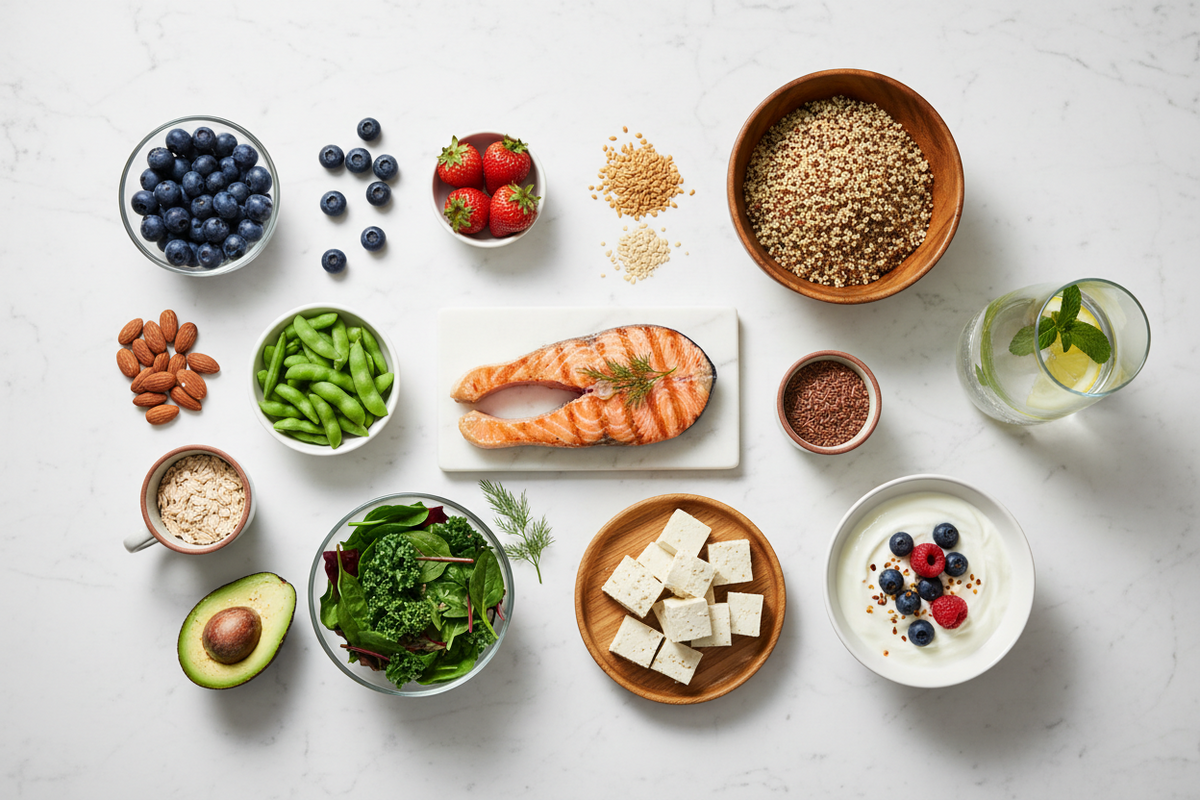
Omega-3 Rich Foods Salmon, sardines, flaxseeds, and chia seeds are powerful allies for menopausal skin. Omega-3s support the skin barrier and help tackle the dryness, dullness, and sensitivity that commonly occur during menopause. Advancednutritionprogramme
Colorful Fruits & Vegetables Eating foods with antioxidants may help make your skin stronger from the inside out — look for brightly colored fruits and vegetables, which get their color from these healthy compounds. WebMD Think berries, red peppers, spinach, and sweet potatoes.
Soy-Based Foods Soy is rich in isoflavones (plant-based compounds that act like estrogen in the body) and may help improve age-related changes like thinning skin. WebMD Edamame, tofu, and miso are great options.
Vitamin C-Rich Foods Vitamin C is essential for collagen synthesis. Foods high in Vitamin C include red peppers, strawberries, guava, kale, and citrus. Women's Health Network
Probiotic Foods A specific group of bacteria in the gut is involved in processing and circulating estrogen within the body. Foods with live cultures such as live yogurt, sauerkraut, kimchi, and miso can help support the gut, in turn helping to support skin and overall wellbeing. Advancednutritionprogramme
Foods That Make Menopausal Skin Worse
Sugar & Refined Carbohydrates High-glycemic foods spike insulin and trigger inflammation, accelerating collagen breakdown; the last thing menopausal skin needs.
Alcohol Dermatologists recommend avoiding alcohol as part of a holistic approach to supporting menopausal skin health. UHealth Collective Alcohol dehydrates skin and disrupts sleep, both of which directly impact barrier function.
Processed & Fast Foods A diet loaded with fast foods and sweets will impact your skin, as will inflammation, accumulation of toxins, chronic sleep deficits, and excessive stress. Women's Health Network
The Bottom Line
Nourishing your skin during menopause is an inside-out job. A diet rich in omega-3s, antioxidants, and phytoestrogens combined with a barrier-first strengthening skincare routine gives your skin the best possible foundation to stay strong, hydrated, and vibrant.
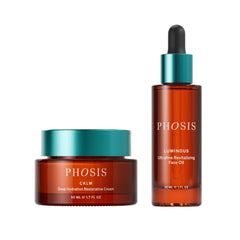
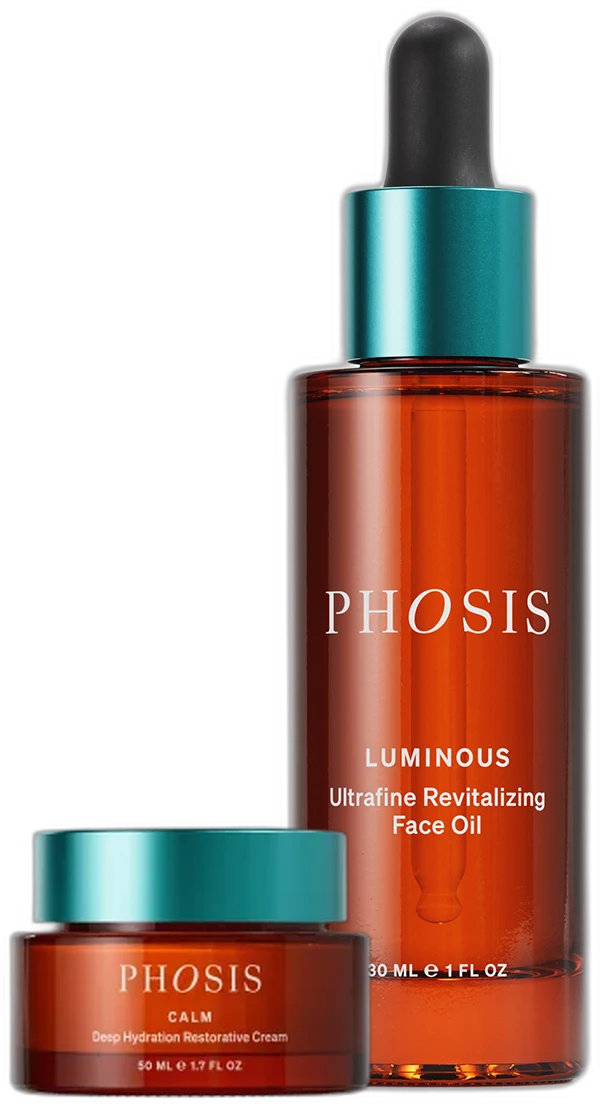
At Phosis, we've built our entire line around strengthening the skin barrier that hormonal changes weaken. Explore our clinically proven, hormone-safe formulas at phosis.com.