What's Actually Happening to Skin During Menopause?
If your skin suddenly feels tighter, thinner, more reactive, or like nothing "works" anymore, you're not imagining it.
During menopause, declining estrogen levels bring a cascade of changes:
- Reduced oil (sebum) production
- Increased transepidermal water loss
- Breakdown of collagen and elastin
- A compromised skin barrier
The result? Skin that is drier, more sensitive, and significantly less resilient. This is why the routines that worked in your 30s and 40s often start to fail.
The #1 Mistake: Over-Cleansing and Over-Exfoliating
Most women unknowingly make dryness worse by continuing to use:
- Foaming cleansers
- Gel Cleansers
- Exfoliating acids (AHAs, BHAs)
- Retinoids without barrier support
These can strip what little lipid protection your skin still has. If your skin feels tight after cleansing, your routine is working against you.
The Ideal Routine for Dry, Menopausal Skin
This routine is built around one core principle:
Support and strengthen the skin barrier first. Everything else comes second.

Step 1: Switch to a Lipid-Rich, Oil-Based Cleanser
Cleansing should not be about removing oil, but should be about removing impurities without stripping skin.
Look for:
- Oil-based or balm cleansers
- Non-foaming formulas
- Ingredients like jojoba, squalane, or fatty acids
These cleanse without disrupting your barrier, and often can leave skin feeling better after washing.

Step 2: Skip Harsh Exfoliation (Or Drastically Reduce It)
Menopausal skin does not need frequent exfoliation the way younger skin might.
Instead:
- Limit exfoliation to 1x per week (or less)
- Avoid strong acids unless medically guided
- Focus on hydration and repair over "renewal"
- A compromised skin barrier
Over-exfoliation is one of the fastest ways to accelerate dryness and irritation

Step 3: Rebuild the Barrier with Skin-Identical Lipids
This is the most important step.
Your skin is losing its natural lipids, therefore your routine must replace them.
Look for:
- Ceramides
- Squalane
- Phytosterols
- Phospholipids
These ingredients help:
- Reduced water loss
- Strengthen barrier function
- Improve skin resilience
Step 4: Layer Hydration and Seal It In
Hydration alone is not enough anymore; you need to lock it in.
A simple structure:
- Hydrating serum (humectants like glycerin or hyaluronic acid)
- Barrier repairing cream (lipids plus emollients)
- Face oil (seal and protect)
Think: hydrate -> repair -> seal
Step 5: Simplify Your Routine
More products ≠ better results.
In fact, menopausal skin often improves when you:
- Use fewer, more intentional ingredients
- Avoid constant switching of products
- Focus on consistency over intensity
What to Avoid (This Matters More Than You Think)
- Foaming cleansers
- Daily exfoliation
- High-percentage actives without support
- "Anti-aging" products that prioritize results over barrier health
 The Bottom Line
Dry, menopausal skin isn't just "aging," it's biologically different skin.
It requires a shift from:
-
Correction -> Support
-
Aggressive treatments -> Barrier repair
-
Stripping -> Replenishing
When you work with your skin instead of against it, dryness, sensitivity, and dullness begin to improve, often faster than expected.
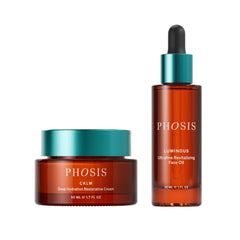
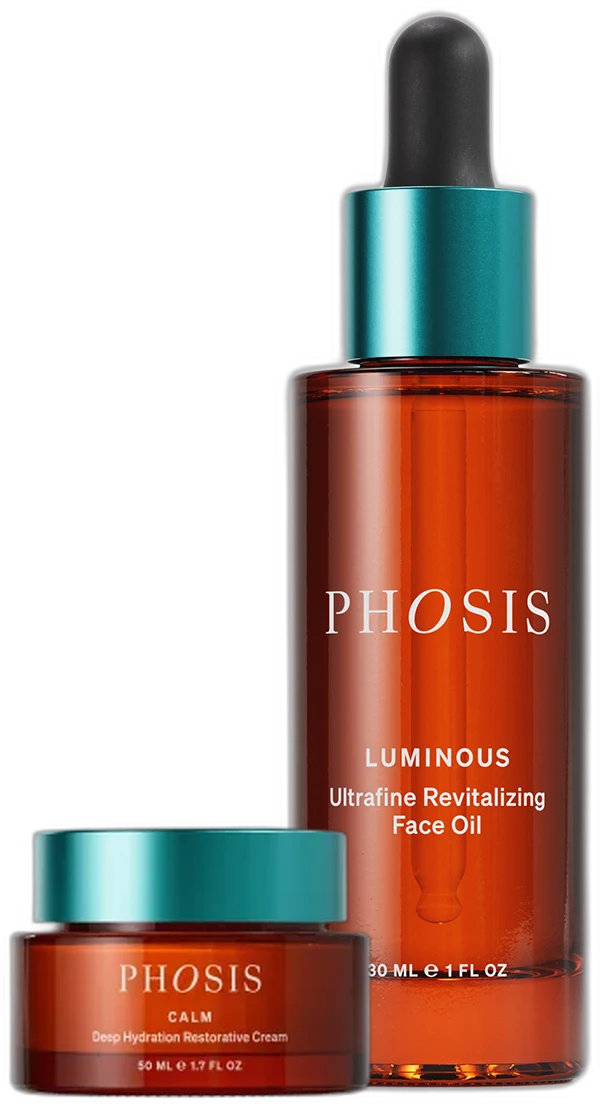
Phosis Skincare was created specifically for dry, menopausal skin routines. Say goodbye to dull, dry skin, and hello to a vibrant, healthy glow.