Over the years, I’ve seen how loosely defined skincare terms lead to irritation, sensitivity, and unnecessary skin stress.
Marketing hype only adds to the confusion, and it's no wonder why women everywhere are perplexed about how to support and nurture their skin in peri/menopause. There are seemingly endless products to choose from, and many products boast mythical ingredients that will miraculously transform your skin. What's a girl to do to?
I've studied hormonal changes and skin health for the past 5 years, and have spent considerable time researching why skin changes, and which ingredients are best suited for skin at this stage in life. Let's dive in; here are 5 common misconceptions about skin health:
1. Fragrance-Free vs Unscented
Fragrance-free means no scent ingredients were added. Unscented products can still contain masking fragrances, which are a common, but hidden, source of irritation for sensitive skin. Opt for fragrance-free products that limit potential reactions for sensitive and vulnerable skin.
2. Natural vs Safe
Natural ingredients are not inherently safer.
Many can irritate, sensitize, or trigger allergic responses. Safety depends on formulation, concentration, and delivery, not origin.
Poison ivy is a perfect example. Although it's "natural", it can easily trigger an uncomfortable skin reaction.
3. Exfoliation vs Skin Renewal
Exfoliation removes surface cells. Skin renewal is a biological process. Over-exfoliation does not accelerate skin renewal, it often compromises the skin barrier, slowing repair instead.
It's also worth noting that exfoliants with jagged edges, such as crushed walnut shells, can do further damage to sensitive skin by creating micro-tears that contribute to slower healing, especially when scrubbed vigorously into the skin. Need more information on how to safely exfoliate? You can read it about it in our guide.
4. Glow vs Inflammation
An immediate glow is not always a sign of healthy skin.
Redness, warmth, and shine can indicate inflammation or barrier disruption, not improved skin function or health. Radiant skin has a gentle and even luminosity to it, while inflamed skin can look reddish, splotchy, and have small bumps.
5. Sensitive Skin vs Damaged Skin
Sensitive skin is often treated as a skin type. In reality, it's frequently a damaged barrier state, especially during hormonal shifts. The good news is that sensitive skin can often be repaired with the right approach. Barrier supporting ingredients strengthen skin and add resilience, which in turn limits skin reactions and unexpected flare-ups. Stronger skin is healthier skin.
Navigating sensitive and vulnerable skin doesn't have to be a mystery. By choosing the right products that boost barrier function, you can repair and restore your sensitive, hormonal skin, and once again enjoy a healthy complexion.
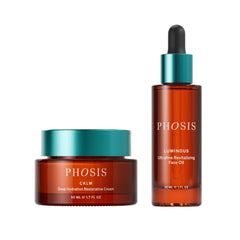
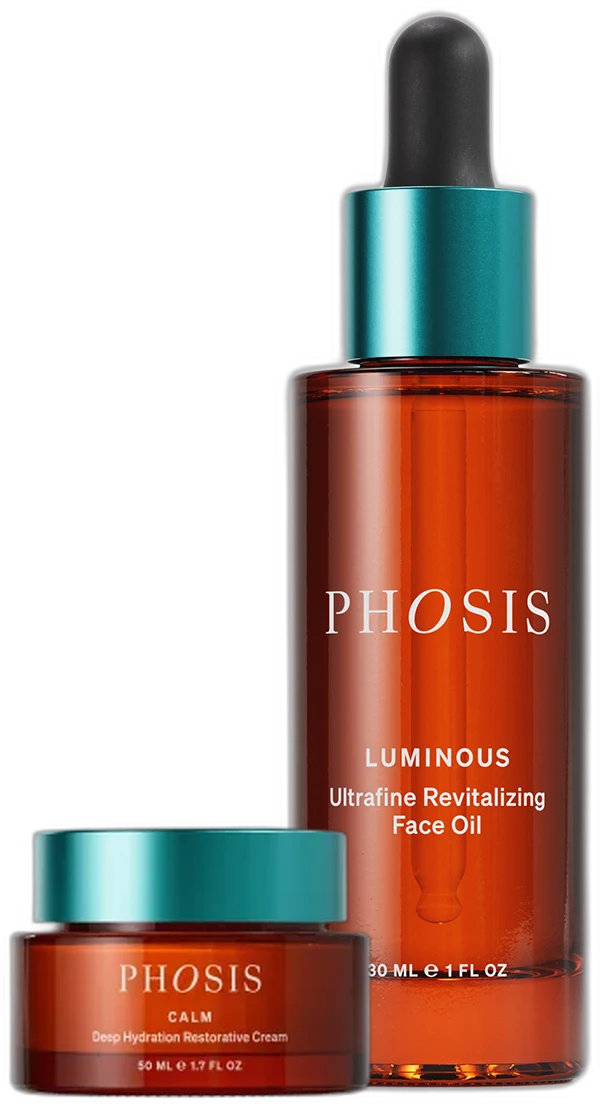
Phosis Skincare was made for restoring and revitalizing delicate and vulnerable skin. Are you ready to finally give your skin the support it needs?